
Understanding Acne: Types, Causes, and Why Long-Term Clear Skin Requires a Corrective Approach
Acne is often treated as a cosmetic inconvenience, but in reality, it is a chronic skin condition rooted in dysfunction, not just surface-level breakouts. Understanding acne means understanding how the skin functions and why lasting clarity requires more than quick fixes or isolated treatments.
This article explores the different types of acne, what causes them, and why structured, corrective care is essential for long-term results.
What Is Acne, Really?
Acne develops when multiple systems within the skin become dysregulated. It is not caused by a single factor, product, or habit.
At a functional level, acne involves:
Excess oil (sebum) production
Abnormal shedding of dead skin cells
Inflammation
Acne-causing bacteria
A weakened or compromised skin barrier
When these factors interact improperly, pores become congested, inflamed, and prone to recurring breakouts.
This complexity is why acne often returns after temporary improvements and why a systems-based approach is necessary.
The Most Common Types of Acne
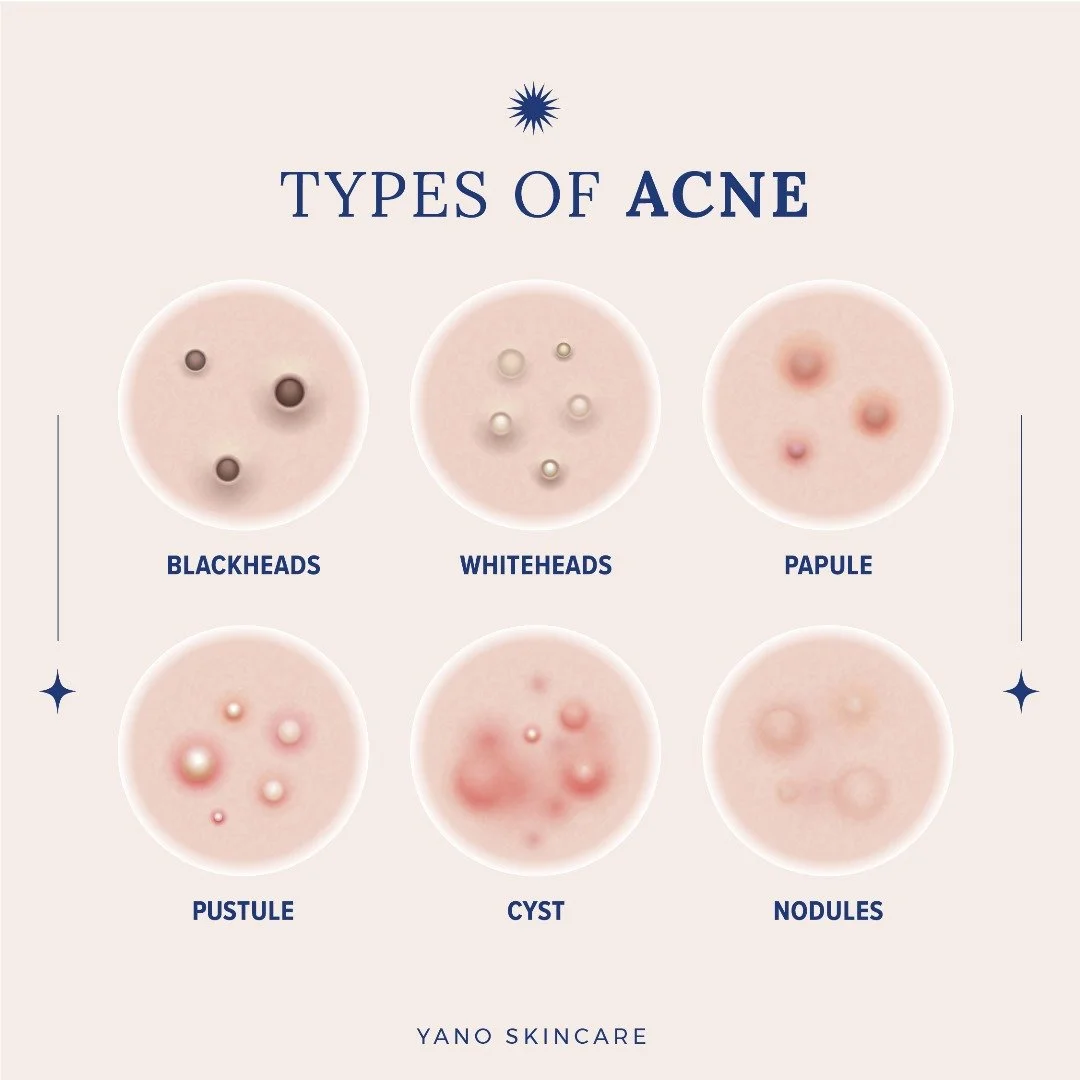
Acne does not present the same way for everyone. Understanding the type of acne affecting your skin is essential, because each form behaves differently and requires a specific corrective approach.
Below are the most common types of acne seen in professional skin treatments.
Blackheads (Open Comedones)
Blackheads occur when pores become clogged with oil and dead skin cells and remain open at the surface. The dark appearance is not dirt, it’s the result of oxidation when the pore contents are exposed to air.
Common characteristics:
Small dark or gray dots on the skin
Often found on the nose, forehead, and chin
Non-inflammatory but persistent
Whiteheads (Closed Comedones)
Whiteheads form when pores become clogged and remain closed under the skin’s surface. Unlike blackheads, the contents are not exposed to air.
Common characteristics:
Small, flesh-colored or white bumps
Rough or uneven skin texture
Often linked to congestion and improper exfoliation
Papules
Papules are inflamed blemishes that occur when clogged pores become irritated. They do not contain visible pus but are often tender and red.
Common characteristics:
Small red or pink bumps
Sensitive to touch
Signs of early inflammation
Pustules
Pustules are similar to papules but contain visible pus at the center, caused by inflammation and bacteria within the pore.
Common characteristics:
Red base with a white or yellow center
Inflamed and sometimes painful
Common in inflammatory acne patterns
Cysts
Cystic acne forms deeper within the skin and is one of the most severe types of acne. These lesions are often painful and slow to heal.
Common characteristics:
Large, deep, tender breakouts
High risk of scarring
Often linked to hormonal imbalances
Nodules
Nodules are firm, deep lesions that develop beneath the surface of the skin. They are similar to cysts but usually harder and longer-lasting.
Common characteristics:
Large, solid bumps under the skin
Painful and persistent
Require professional guidance to treat safely
Why Identifying the Acne Type Matters
Each type of acne involves different levels of congestion, inflammation, and skin barrier disruption. Treating all acne the same way often leads to irritation, slow healing, or recurring breakouts.
A corrective approach focuses on:
Supporting proper cell turnover
Regulating oil production
Reducing inflammation
Protecting the skin barrier
When acne is treated based on type and function, the skin is able to recover more effectively and results last.
Why Acne Is So Hard to Clear
Many acne treatments focus on suppressing symptoms rather than correcting dysfunction.
Common Acne Treatment Mistakes
Over-exfoliating
Using harsh or stripping products
Treating acne without addressing the skin barrier
Switching products too frequently
Relying on one-time treatments
These approaches may calm the skin temporarily but often lead to rebound breakouts, increased sensitivity, and long-term imbalance.
Why Acne Requires a Corrective, Systems-Based Approach
Clear skin is not achieved by attacking acne, it is achieved by teaching the skin how to function properly again.
A corrective acne approach focuses on:
Normalizing cell turnover
Regulating oil production
Reducing chronic inflammation
Strengthening the skin barrier
Maintaining consistently clear pores
When these systems are supported together, the skin becomes more resilient and less reactive over time.

How Professional Acne Programs Support Long-Term Results
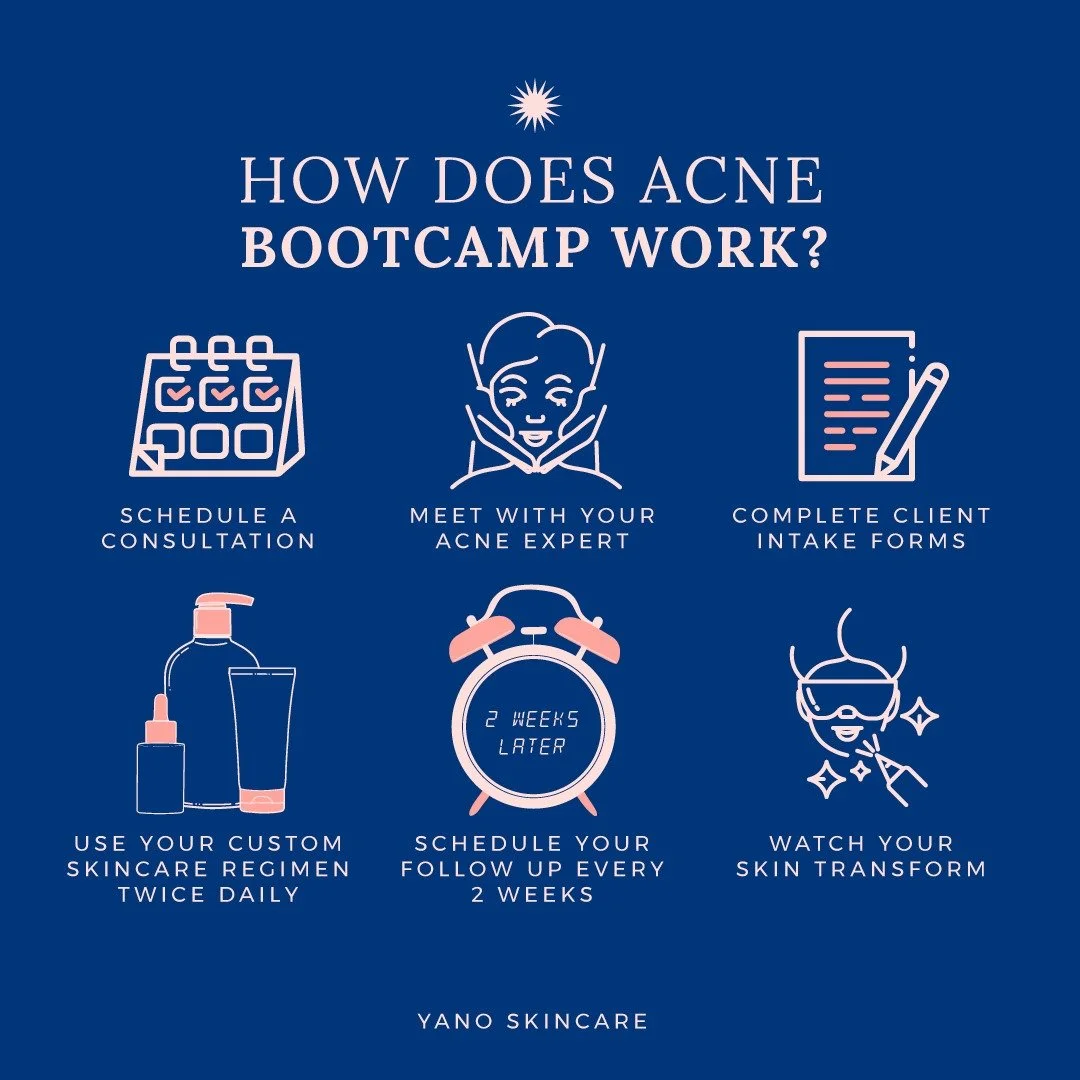
Structured acne programs, such as the Face Reality® Acne Boot Camp, are built around correction—not suppression—combining professional treatments, customized home care, and ongoing expert guidance to support long-term skin balance.
What Skin Progress Looks Like Over Time
With commitment and consistency, most clients experience noticeable improvement within 6–12 weeks.
Explore real results with before and after photos from my recent clients.
Over time, skin becomes:
Clearer and more balanced
Less inflamed and reactive
More resilient and predictable
Better able to maintain results long-term
Progress is prioritized over perfection, creating results that last beyond treatment.
Who Benefits Most From a Corrective Acne Approach
This type of acne care is especially beneficial for individuals who:
Have tried multiple products without lasting success
Experience recurring or adult acne
Struggle with hormonal or inflammatory breakouts
Want clear skin without harsh medications
Value education, structure, and professional guidance
Acne is not random—and it doesn’t need to be treated that way.
Clear Skin Starts With Understanding
Acne is complex, but it is also treatable when approached correctly.
By understanding your acne type, supporting your skin’s natural function, and committing to a structured process, long-term clarity becomes possible.
Clear skin is not about perfection. It’s about balance, education, and consistency.
For readers interested in learning more about how a corrective acne program works in practice, additional information can be found on the Face Reality® Acne Boot Camp.
Frequently Asked Questions
About Acne Boot Camp
-
Recurring acne is often the result of untreated skin dysfunction, inconsistent home care, or a compromised skin barrier. Addressing the root cause is essential for long-term clarity.
-
Yes. Adult acne responds very well to structured, corrective care when approached with consistency and professional guidance.
-
No. Acne is related to how the skin functions internally, not how clean it is. Over-cleansing can actually worsen acne by disrupting the skin barrier.
-
Not always. Many cases improve significantly with professional, non-prescription corrective programs tailored to the skin’s needs.
-
Initial improvement often begins within weeks, but sustainable, long-term results require ongoing consistency and proper care.

Yano Perez
AESTHETICIAN, ACNE SPECIALIST & FOUNDER OF YANO SKINCARE