
Why Hydration Is the Foundation of Healthy, Glowing Skin
When most people think about skincare, they think about treatments, products, or trending active ingredients retinol, exfoliating acids, vitamin C. While these tools absolutely have their place, there is one essential element that quietly determines how well your skin responds to everything else: hydration.
Hydration is not simply about avoiding dryness. It is about supporting your skin’s structure, barrier function, resilience, and ability to repair itself. Well-hydrated skin looks smoother, brighter, calmer, and healthier because it is healthier at a cellular level.
At Yano Skincare Studio, hydration is treated as a foundation—not a trend, not an add-on, but a core principle of long-term skin health. In this article, we’ll explore why hydration matters so deeply, how it impacts different skin types and concerns, and how hydration-focused professional facials support real, visible transformation.
Hydration: The Most Overlooked Key to Long-Term Skin Health
Hydration plays a critical role in how the skin functions every day. Without adequate water content, the skin cannot regulate itself properly, defend against environmental stressors, or respond effectively to corrective treatments.
Hydrated skin is more balanced, more resilient, and better equipped to heal—making hydration the starting point for healthy, glowing skin at any age.
What Hydration Really Means in Skincare
Hydration and moisture are often confused, but they are not the same.
Hydration vs. Moisture: Understanding the Difference
Hydration refers to the water content within the skin
Moisture refers to oils and lipids that help seal hydration in
Your skin needs both. However, without enough water, even the richest moisturizers cannot restore balance.
Why Water Content Matters at a Cellular Level
When the skin lacks hydration:
Cellular communication slows
The skin barrier weakens
Inflammation increases
Fine lines appear more pronounced
Breakouts and sensitivity become more frequent
Hydrated skin, on the other hand, is functional skin. It renews more efficiently, protects itself better, and responds more positively to treatments and skincare products.
The Skin Barrier: Hydration’s Most Important Role
Your skin barrier is your body’s first line of defense. It protects against pollution, bacteria, environmental stressors, and moisture loss.
How Dehydration Weakens the Skin Barrier
When hydration levels drop, the barrier becomes compromised, leading to:
Increased transepidermal water loss (TEWL)
Redness and irritation
Heightened sensitivity
Inflammatory breakouts
Transepidermal Water Loss (TEWL) and Inflammation
Many skin conditions—acne, rosacea, eczema, and premature aging—are often rooted in barrier dysfunction caused by dehydration, not just surface-level issues.
Restoring hydration is frequently the first step toward long-term correction.
Dehydrated Skin vs. Dry Skin: They Are Not the Same
One of the most common skincare misconceptions is confusing dry skin with dehydrated skin.
Dry Skin as a Skin Type
Dry skin lacks oil and is a permanent skin type.
Dehydrated Skin as a Skin Condition
Dehydrated skin lacks water and can affect any skin type, including oily and acne-prone skin.
Why Oily and Acne-Prone Skin Can Be Dehydrated
When skin is dehydrated, it may overproduce oil to compensate, leading to congestion, breakouts, and imbalance. Restoring hydration often results in calmer skin, improved texture, and better oil regulation.
The Connection Between Hydration and Acne-Prone Skin
Acne-prone skin is frequently over-treated with drying products. While this may reduce oil temporarily, it often worsens the condition long term.
Why Over-Drying the Skin Makes Acne Worse
Dehydrated acne-prone skin:
Produces excess oil
Heals blemishes more slowly
Becomes reactive and inflamed
Is more prone to post-inflammatory hyperpigmentation
How Hydration Supports Healing and Balance
Hydration helps acne-prone skin by:
Improving healthy cell turnover
Reducing inflammation
Strengthening the skin barrier
Increasing tolerance to corrective treatments
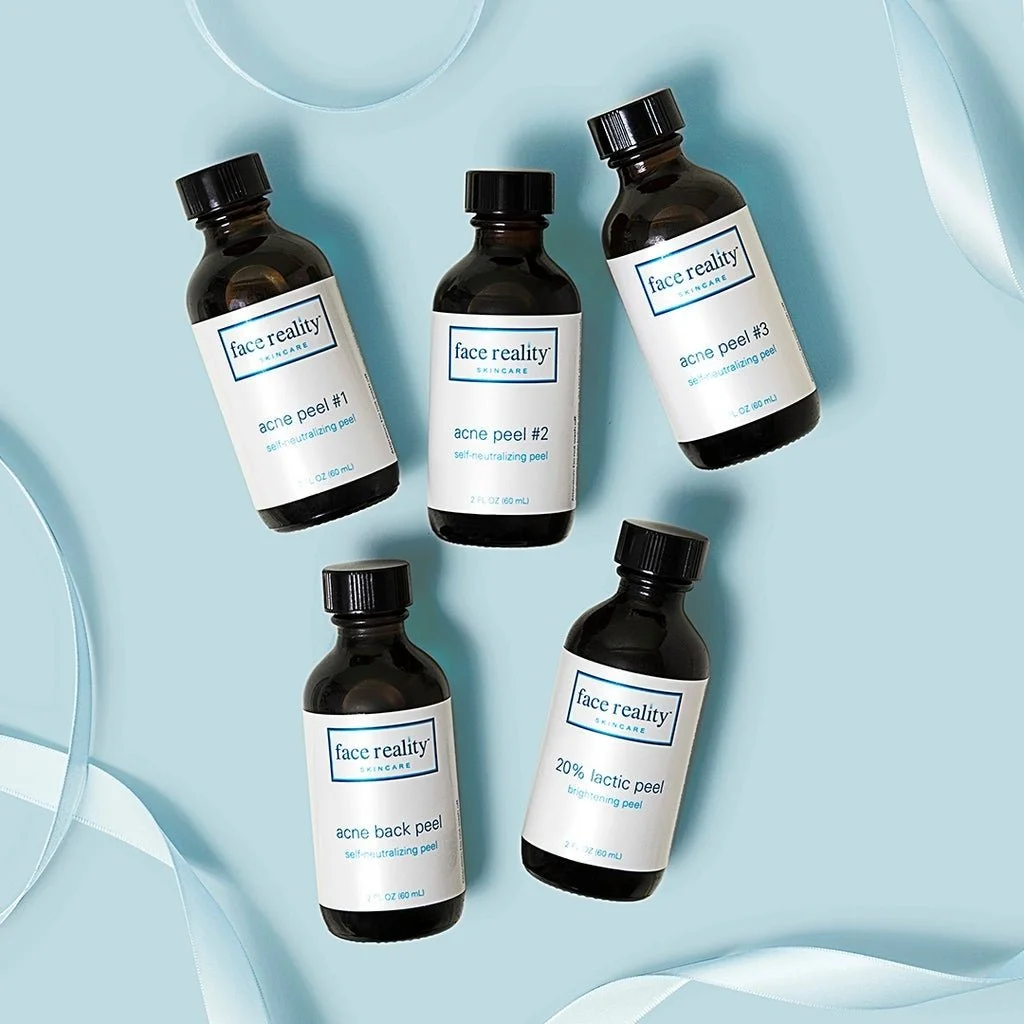
This is why hydration plays a critical role in corrective programs like Face Reality Acne Bootcamp at Yano, supporting healing while actively targeting breakouts.
How Hydration Is Integrated Into Yano Skincare Treatments
At Yano Skincare Studio, hydration is intentionally woven into every treatment—not reserved for one specific facial.
Hydration as the First Step
for New Clients
The New Client Facial includes a comprehensive skin analysis and consultation. Hydration is often prioritized to rebalance the skin and strengthen the barrier before introducing advanced treatments.

Hydration in Glow and Maintenance Facials
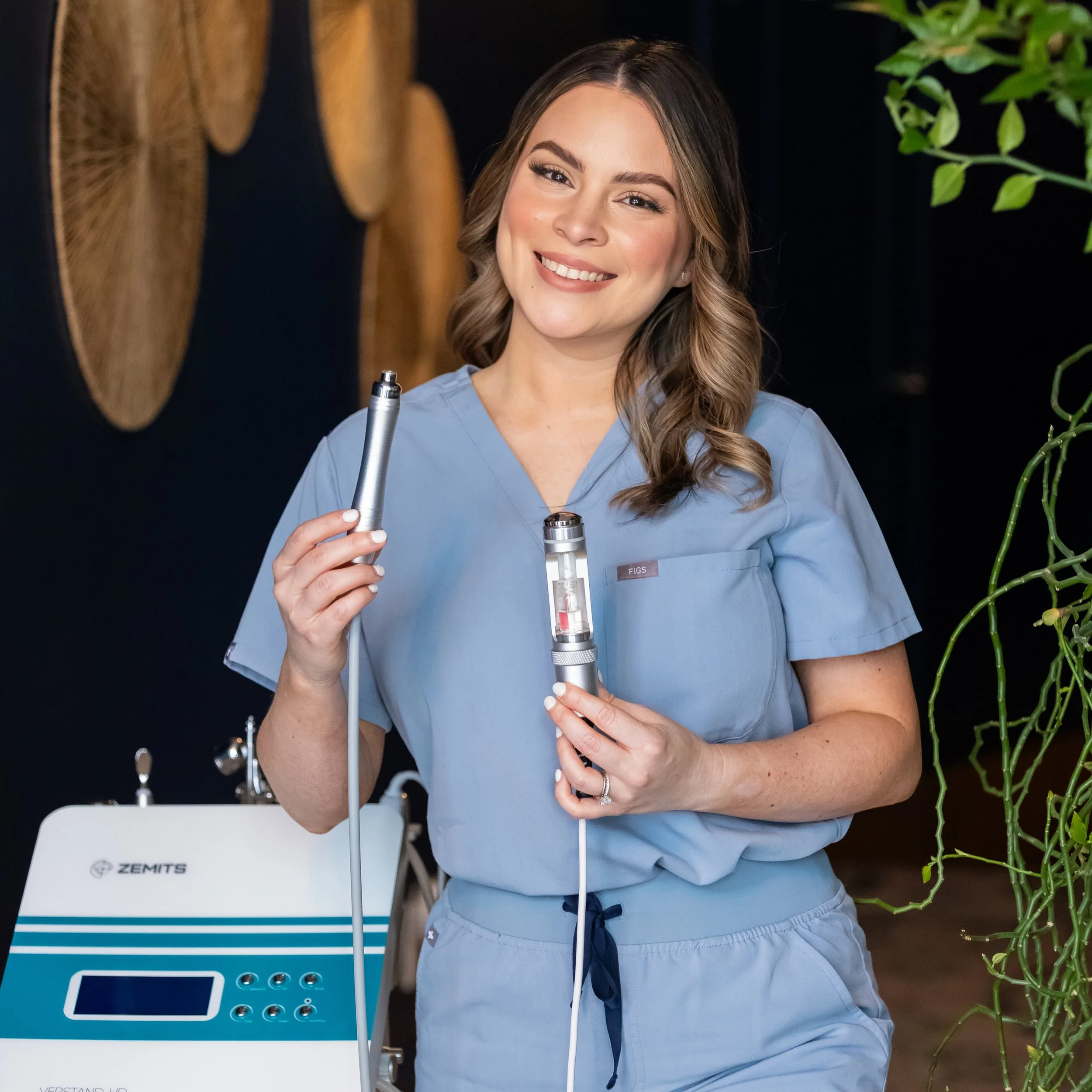
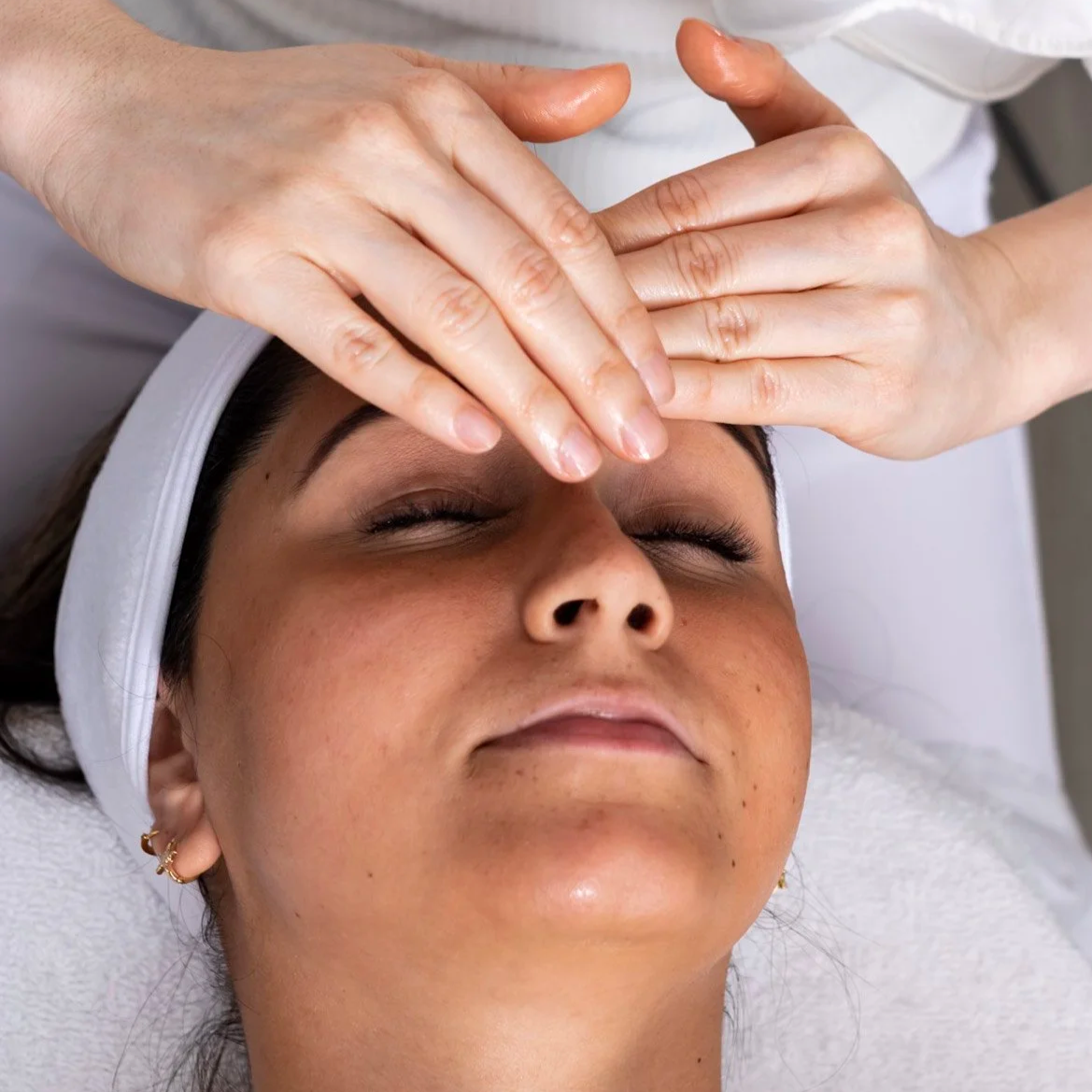
Services such as the HydraGlow Facial, The Essential Facial and Deluxe Facial deeply replenish hydration, calm inflammation, and leave the skin visibly plumper and more radiant.
Hydration in Advanced Treatments and Corrective Services
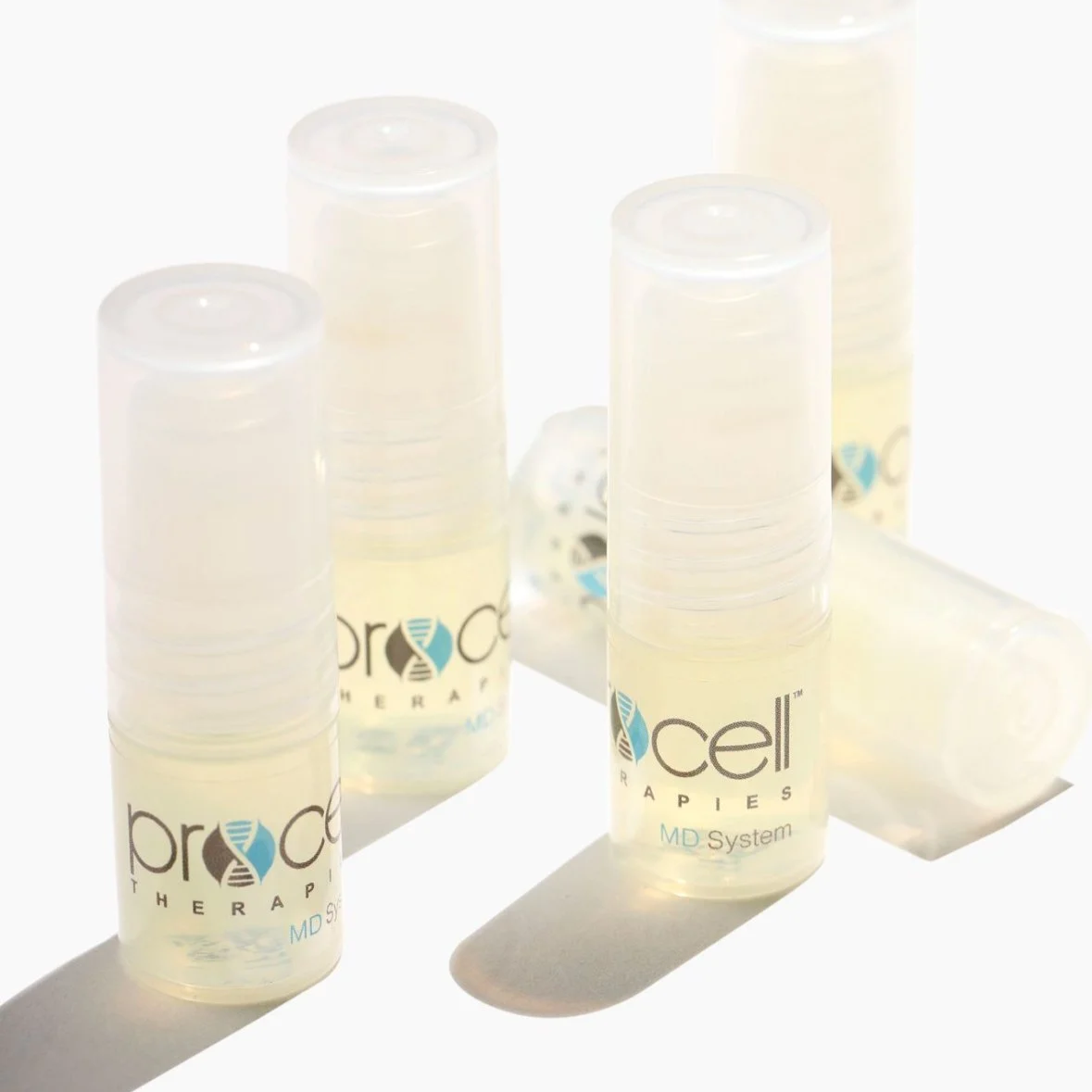
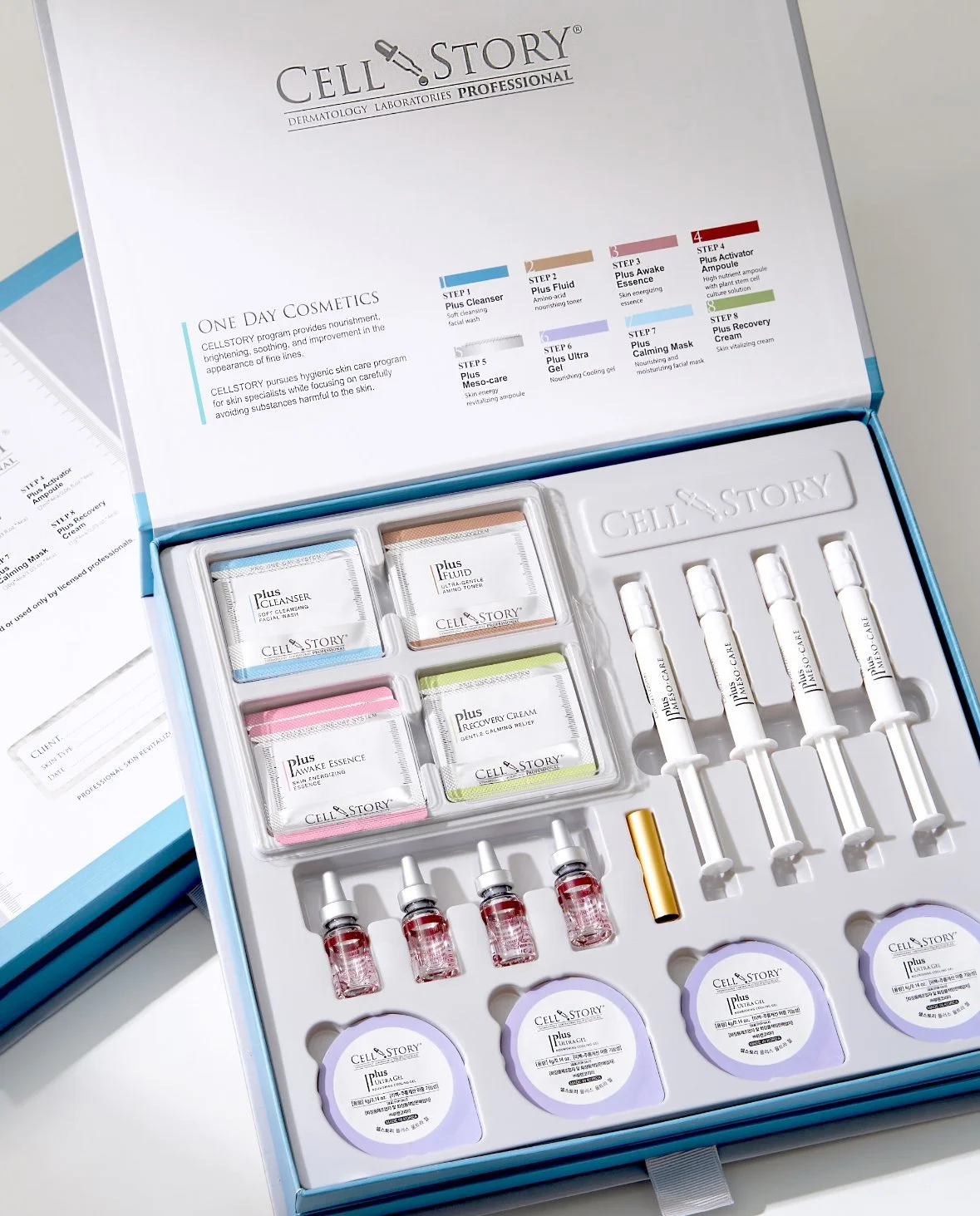
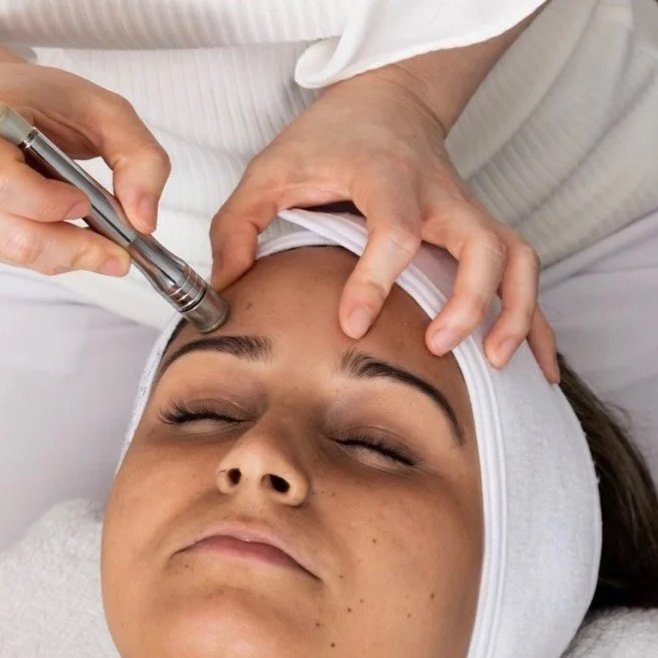
Advanced treatments like Microchanneling and Cellstory Liquid Microneedling rely on hydration to support collagen stimulation, faster recovery, and long-lasting results. Even corrective services such as Dermabrasion Facials, Chemical Peels, and targeted treatments are approached with hydration in mind to protect the skin barrier.
Hydration remains the common thread throughout the entire treatment menu.
Signs Your Skin May Be Dehydrated
Your skin may be dehydrated if you notice:
Tightness after cleansing
Makeup settling into fine lines
Dull or uneven texture
Increased sensitivity
Breakouts that don’t respond well to treatment
These signals indicate that your skin needs replenishment—not stronger or harsher products.
Hydration as a Long-Term Skin Health Strategy
Healthy skin is not built through aggressive treatments alone. It is built through consistency, balance, and foundational care.
Hydration and Skin Longevity
Proper hydration improves overall skin quality, supports graceful aging, and reduces chronic inflammation.
Why Consistency Matters More Than Aggressive Treatments
When hydration is prioritized, treatments work better, recovery is faster, and results last longer.
At Yano, hydration is never optional—it is the baseline of every personalized skincare plan.
Restore Your Skin’s Hydration With a Personalized Facial
If your skin feels dull, tight, reactive, or out of balance, a customized hydration-focused facial can help reset and restore its natural glow.
Book a facial at Yano Skincare Studio and experience what truly healthy, hydrated skin feels like.
Frequently Asked Questions
About Skin Hydration
-
No. Dry skin lacks oil, while dehydrated skin lacks water. Any skin type—including oily and acne-prone—can become dehydrated.
-
Yes. Dehydrated skin often overproduces oil to compensate, which can lead to clogged pores, inflammation, and breakouts.
-
Common signs include sensitivity, redness, tightness, frequent breakouts, and products suddenly stinging or burning.
-
Absolutely. Hydration helps calm inflammation, strengthen the skin barrier, and improve healing—making acne treatments more effective and better tolerated.
-
Most clients benefit from monthly treatments, though frequency may vary depending on skin condition, lifestyle, and corrective goals.

Yano Perez
AESTHETICIAN, ACNE SPECIALIST & FOUNDER OF YANO SKINCARE.