
Professional Treatments vs. At-Home Skincare: What Actually Changes Skin (And What Doesn’t)
With the rise of social media skincare trends and an overwhelming number of products available, many people wonder whether at-home skincare is enough or if professional treatments truly make a difference.
The reality is that both play an important role, but they serve very different purposes. Understanding what at-home skincare can realistically achieve versus what requires professional intervention is essential for long-term skin health and visible results.
This article breaks down what actually changes skin at home, what requires professional treatments, and why combining both is the most effective and sustainable approach.
What At-Home Skincare Is Designed to Do
At-home skincare is the foundation of daily skin maintenance. When chosen correctly and used consistently, it supports the skin’s natural protective and regenerative functions.
What At-Home Skincare Does Well
Maintains daily cleanliness
Cleansers remove oil, sweat, makeup, and environmental debris that accumulate throughout the day, helping prevent surface congestion.Supports hydration and barrier health
Moisturizers and hydrating serums help maintain water balance and reinforce the skin barrier, reducing dehydration and sensitivity.Helps manage mild congestion
Gentle exfoliants can support pore clarity when congestion is minimal and inflammation is low.Protects against environmental stressors
Antioxidants and sunscreen help defend the skin from UV exposure and pollution, which contribute to inflammation and premature aging.Maintains results between professional treatments
Consistent home care helps preserve improvements achieved in the treatment room.
At-home skincare is essential but its role is maintenance, not correction.
The Limitations of At-Home Skincare
Even high-quality products have limitations, especially when addressing long-standing skin concerns.
What At-Home Skincare Cannot Do
Significantly stimulate collagen production
Products cannot penetrate deeply enough to trigger structural collagen remodeling.Correct persistent acne patterns
Conditions like acne involve inflammation, congestion, and barrier dysfunction that require professional correction.Reset dysfunctional cell turnover
Chronic buildup and uneven shedding often need guided exfoliation and professional treatments.Resolve ongoing inflammation on its own
Inflammatory cycles require structured intervention, not just soothing products.Replace professional skin analysis
Skin changes over time, and routines need adjustment—something products alone cannot assess.
What Professional Treatments Actually Change
Professional treatments are designed to work beyond the surface, addressing how the skin functions rather than just how it looks.
What Professional Treatments Address
Cell turnover regulation
Treatments help normalize how skin sheds dead cells, preventing congestion and uneven texture.Collagen stimulation
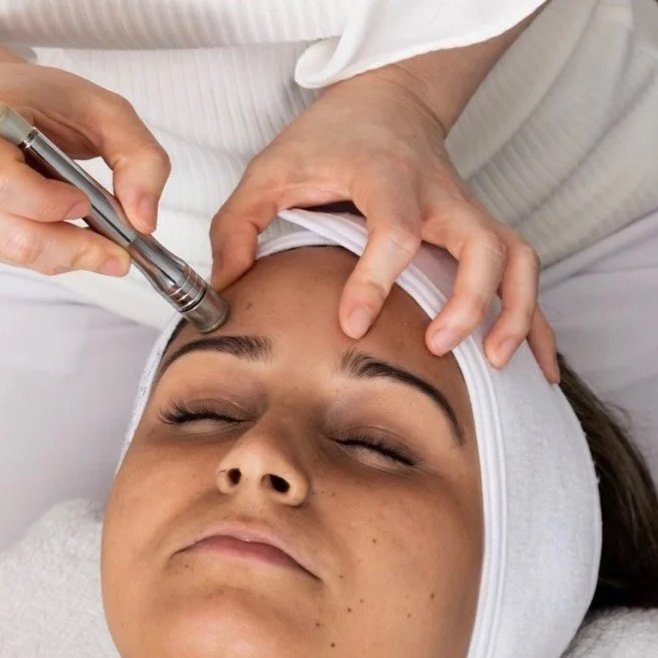
Advanced treatments such as microchanneling stimulate renewal and collagen production in a controlled, low-trauma way.Chronic inflammation
Professional protocols help calm reactive skin and interrupt inflammatory patterns that contribute to acne and sensitivity.Barrier repair and resilience
Treatments support the skin’s protective barrier, improving tolerance and healing capacity.Deep congestion and recurring breakouts
Persistent acne patterns require structured, corrective care rather than spot treatments.
How Professional Treatments Fit Into a Skin Plan
Professional treatments are most effective when they are part of a guided, intentional process, not isolated or sporadic appointments. Skin does not change overnight, and long-term results are achieved through proper sequencing, consistency, and professional evaluation over time.
Rather than treating concerns in isolation, a structured skin plan looks at how the skin functions as a whole considering hydration levels, barrier health, inflammation, cell turnover, and lifestyle factors. This approach allows treatments to build on one another instead of working against the skin.
Why Professional Guidance Matters
Without professional guidance, treatments are often chosen based on trends or short-term concerns. This can lead to over-treatment, unnecessary irritation, or results that don’t last.
A guided skin plan ensures that:
Treatments are selected based on skin behavior, not assumptions
Timing and frequency support healing rather than stress
The skin barrier is protected throughout the process
Adjustments are made as the skin evolves
The Best First Step for New Clients
For new clients, the most important first step is starting with a professional skin evaluation, not jumping directly into advanced treatments.
A New Client Facial provides:
A thorough skin analysis
Identification of underlying concerns and patterns
Evaluation of current home care and habits
A clear, personalized treatment direction
An Intentional First Step
This initial appointment creates the foundation for everything that follows, ensuring that professional treatments are selected intentionally and aligned with your skin’s actual needs. It includes a thorough skin analysis, a full consultation, a customized facial, and clear guidance for future treatments and product recommendations.
Starting with a proper assessment reduces guesswork, minimizes setbacks, and allows the skin to respond more effectively to both professional treatments and home care.

Why Combining Professional Treatments and Home Care Works Best
Healthy skin is built through balance—not extremes.
At-Home Skincare
Maintains daily balance and hydration
Protects the skin barrier
Preserves professional results
Professional Treatments
Correct underlying dysfunction
Stimulate regeneration
Guide long-term improvement
When both are aligned, the skin becomes more stable, resilient, and predictable.
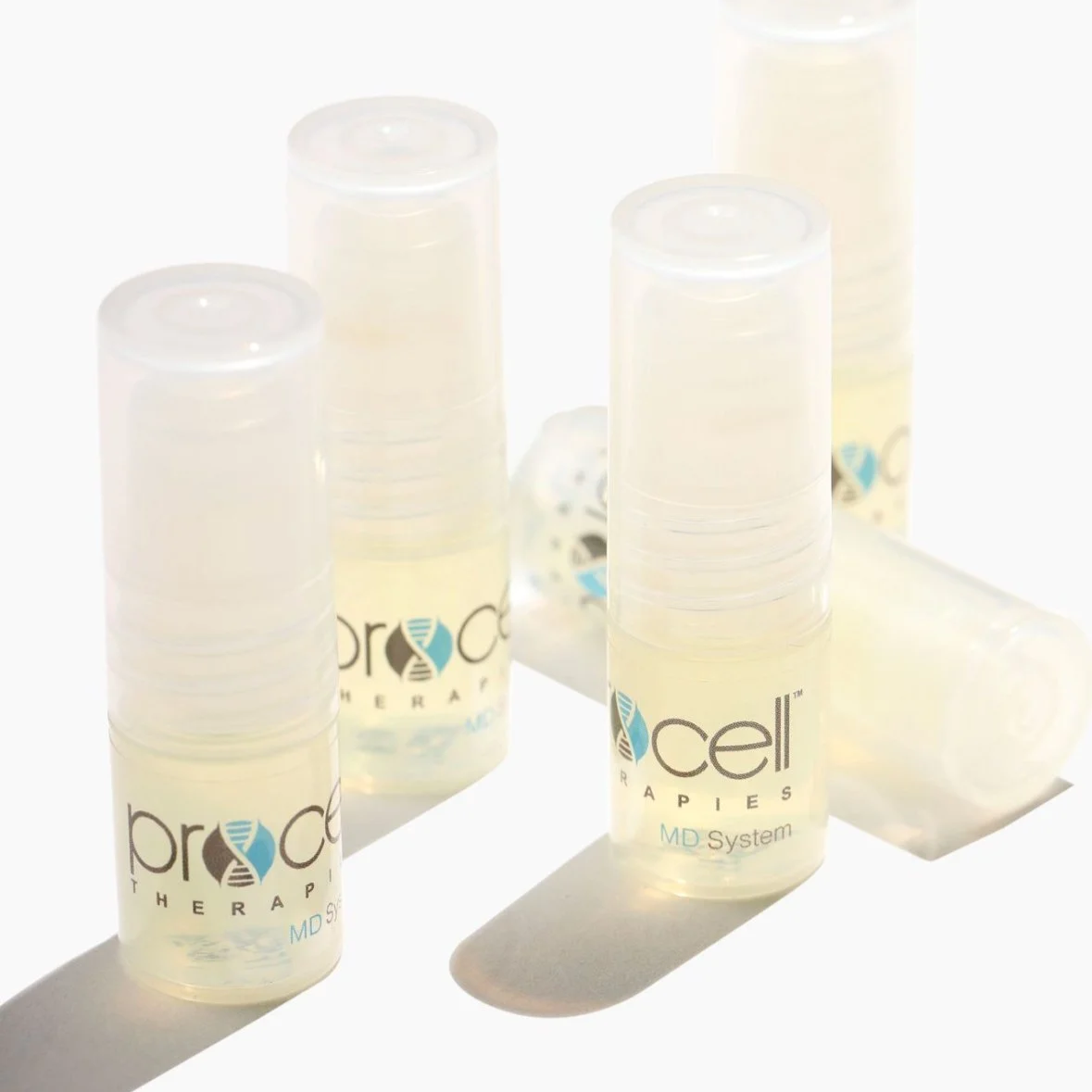
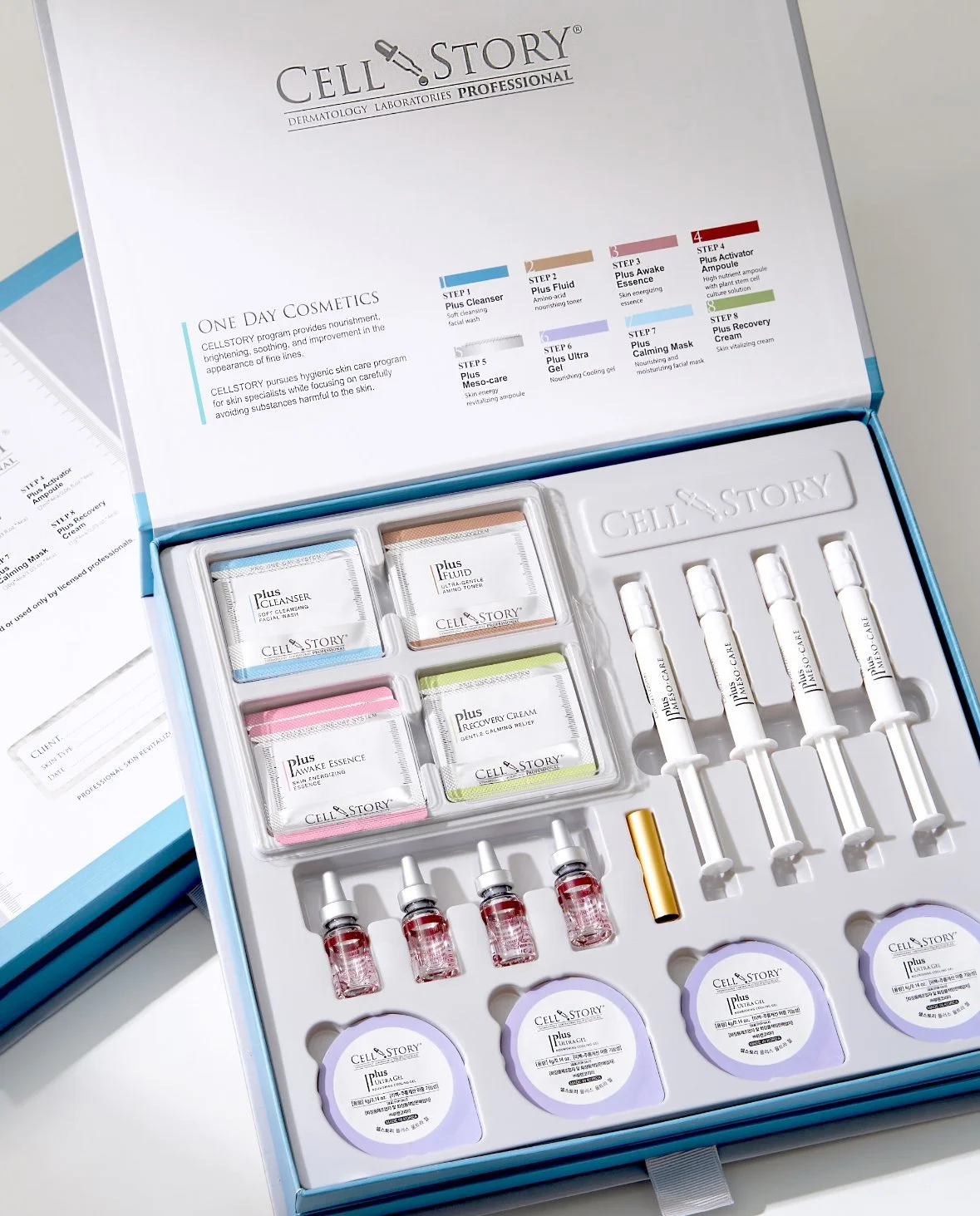
Explore Some Of Our Advanced Skin Treatments

Why Professional Treatments Are More Effective
Depth, Precision, and Customization
Professional treatments are effective because they offer:
Controlled depth
Treatments reach layers of the skin that topical products cannotsafely and intentionally.Customization based on skin behavior
Treatments are selected based on how your skin responds, not on trends.Progressive correction over time
Each session builds on the previous one, allowing gradual, sustainable improvement.
How Skin Progress Happens Over Time
When professional treatments and home care work together, clients often experience:
Improved texture and tone as cell turnover normalizes
Reduced inflammation and breakouts as the skin becomes calmer
A stronger skin barrier with less sensitivity
Better response to skincare products
Results that last longer and are easier to maintain
Skin change is not instant but it is consistent when approached correctly.
Who Benefits Most From Professional Treatments
Professional treatments are especially valuable for individuals dealing with:
Persistent or adult acne
Chronic congestion
Uneven texture or scarring
Premature aging concerns
Skin that feels “stuck” despite good products
In these cases, surface-level care alone is rarely enough.
Frequently Asked Questions
Can at-home skincare replace professional treatments?
At-home skincare plays a critical role in maintaining daily skin balance, hydration, and barrier health. However, it is not designed to correct deeper skin dysfunction.
Professional treatments work at a different level. They address how the skin functions regulating cell turnover, reducing inflammation, and stimulating renewal, things that topical products alone cannot achieve.
This is especially true for conditions like acne, where long-term results require a structured, corrective approach rather than isolated product use.
Why do professional treatments change skin more effectively?
Professional treatments are effective because they are performed with controlled techniques, professional-grade products, and expert evaluation.
They allow for: precise depth and application, customization based on how the skin responds, ongoing adjustments as skin changes over time. For example, treatments like microchanneling stimulate collagen and skin renewal in a controlled, low-trauma way that cannot be replicated at home.
How do I know when I need a professional treatment?
If your skin feels stuck meaning breakouts keep returning, texture doesn’t improve, or products no longer seem effective it’s often a sign that surface care is no longer enough.
Professional treatments are especially helpful when dealing with: persistent or adult acne, chronic congestion, uneven texture or early scarring, skin that reacts easily or heals slowly.
A professional evaluation, such as a New Client Facial, helps identify what your skin actually needs and prevents over-treatment or guesswork.
Is microchanneling the same as microneedling?
No. While both treatments stimulate collagen, they work in very different ways.
Microneedling uses needles to create deeper micro-injuries in the skin, triggering a wound-healing response. While effective, this approach may involve increased inflammation and longer downtime for some skin types.
Microchanneling, on the other hand, creates superficial channels in the skin that encourage regeneration without unnecessary trauma. This makes it a preferred option for clients with sensitive, acne-prone, or barrier-compromised skin.
To learn more about how microchanneling works and who it’s best suited for, you can explore this topic in more detail here.Can professional treatments make skin worse if done incorrectly?
Yes. Overly aggressive treatments, poor timing, or lack of proper aftercare can compromise the skin barrier and increase inflammation.
This is why professional guidance matters. Treatments should be: customized to skin type and condition, spaced appropriately, supported by proper home care. A corrective approach focuses on strengthening the skin, not overwhelming it.
How often should professional treatments be done?
There is no universal schedule. Frequency depends on your skin condition, goals, and how your skin responds over time.
Some skins benefit from monthly treatments, while others need more gradual spacing. Consistency and proper sequencing matter more than intensity.
This is especially important when addressing chronic concerns like acne, where the goal is long-term balance, not quick suppression.
What happens if I only do professional treatments but neglect home care?
Professional treatments initiate change, but at-home skincare maintains it.
Without consistent home care: results fade more quickly, inflammation and congestion return, the skin barrier becomes less resilient. Home care and treatments work best as a system, not as separate efforts.
Are professional treatments only for problem skin?
No. Professional treatments are not only corrective they are also preventative.
Even healthy skin benefits from treatments that: support collagen production, maintain proper cell turnover, strengthen the skin barrier over time. Preventative care helps slow premature aging and keeps skin functioning optimally.
What is the best first step if I’m unsure what my skin needs?
The best first step is a professional assessment rather than guessing with products or treatments.
A New Client Facial provides a thorough skin analysis, identifies underlying issues, and helps create a plan that aligns treatments and home care correctly from the start.

Yano Perez
AESTHETICIAN, ACNE SPECIALIST & FOUNDER OF YANO SKINCARE.