
Microchanneling vs. Microneedling — What’s the Difference?
A Modern Approach to Collagen Stimulation and Skin Renewal
Collagen-stimulating treatments have become a cornerstone of modern skincare. If you’re researching ways to improve skin texture, fine lines, acne scarring, or overall skin quality, you’ve likely come across microneedling.
But there’s a newer, more refined option gaining attention in professional skincare: microchanneling.
Although these treatments are often grouped together, they are not the same. The differences matter—especially when it comes to skin health, inflammation, downtime, and long-term results.
At Yano Skincare Studio, every treatment recommendation is made with intention, prioritizing skin barrier health and sustainable results. Below, we break down the key differences between microchanneling and microneedling to help you choose what’s right for your skin.
What Is Microneedling?
Microneedling is a collagen induction treatment that uses needles to create controlled micro-injuries in the skin. These punctures trigger the body’s wound-healing response, stimulating collagen and elastin production over time.
Common Benefits of Microneedling
Improves acne scars
Reduces fine lines and wrinkles
Refines uneven skin texture
Helps address hyperpigmentation
Considerations With Traditional Microneedling
While effective, microneedling:
Penetrates deeper layers of the skin
Often causes pinpoint bleeding
Requires longer recovery time
Can increase inflammation if the skin barrier is compromised
For sensitive, acne-prone, or reactive skin, this depth and trauma may not always be ideal.
What Is Microchanneling?
Microchanneling is a next-generation collagen stimulation treatment designed to support skin renewal without unnecessary trauma.
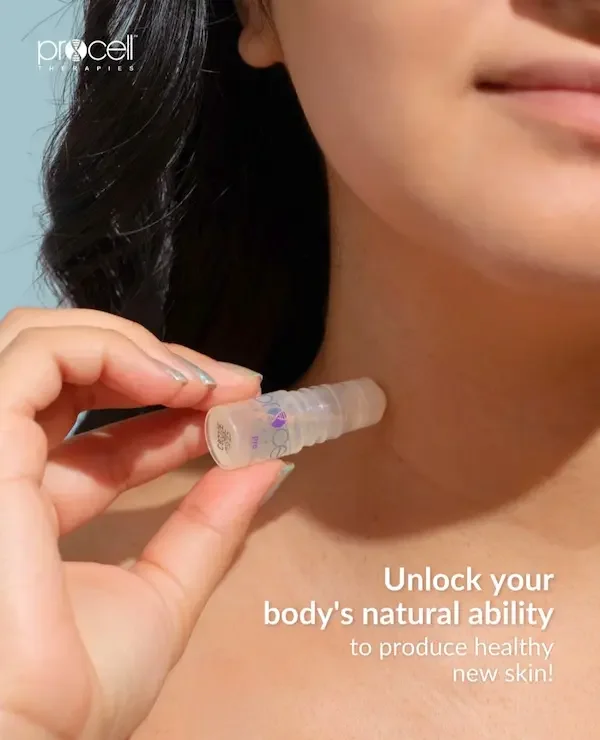
Instead of needles, microchanneling uses a fine-tipped device to create superficial micro-channels in the outermost layers of the skin. These channels signal regeneration while allowing professional-grade serums—such as stem cell growth factors—to penetrate effectively.
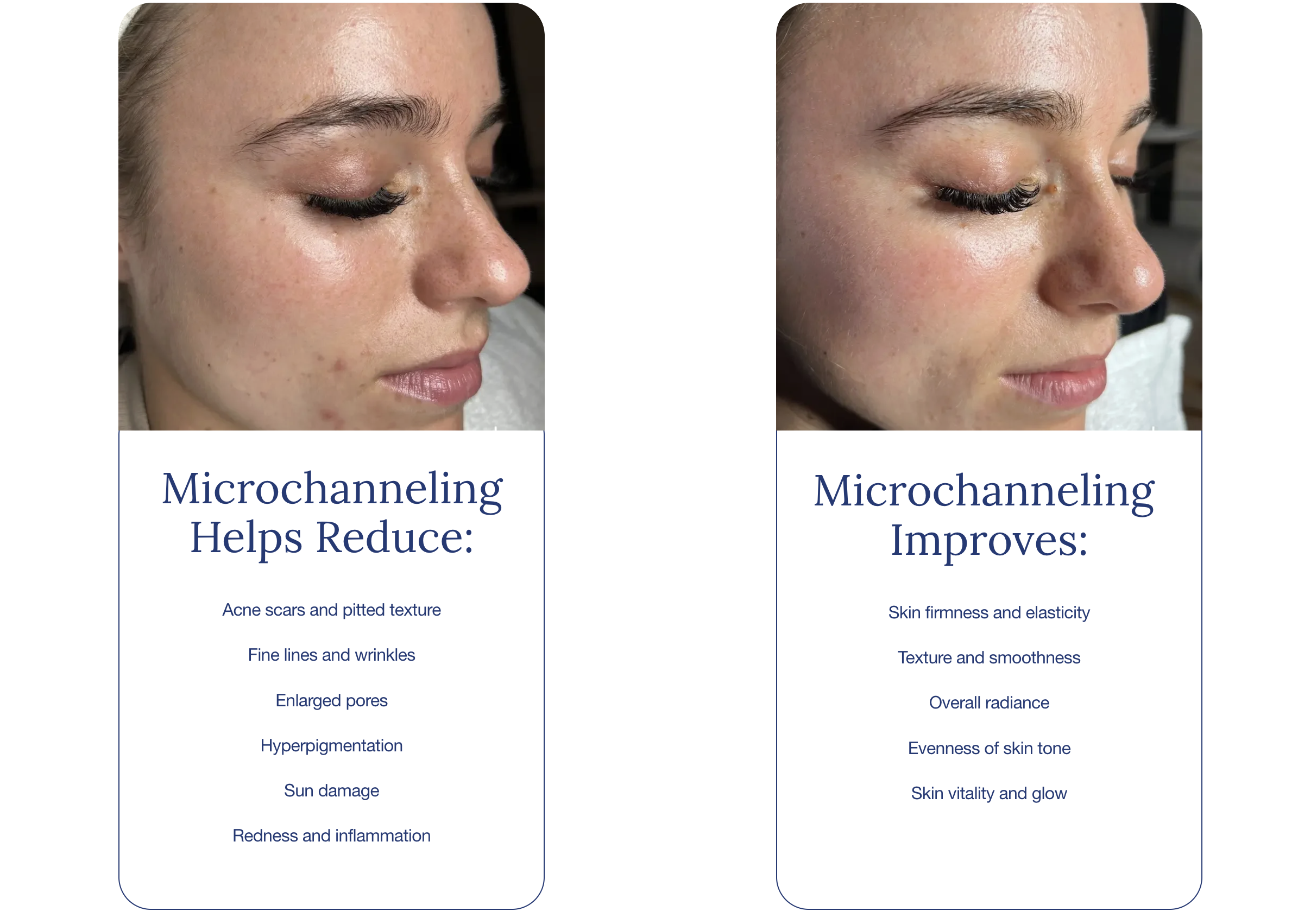
Benefits of Microchanneling
Softens fine lines and wrinkles
Improves acne scarring and texture
Brightens dull or tired skin
Firms and rejuvenates aging skin
Because the channels remain superficial, the skin responds with regeneration rather than inflammation.
Microchanneling vs. Microneedling: Key Differences
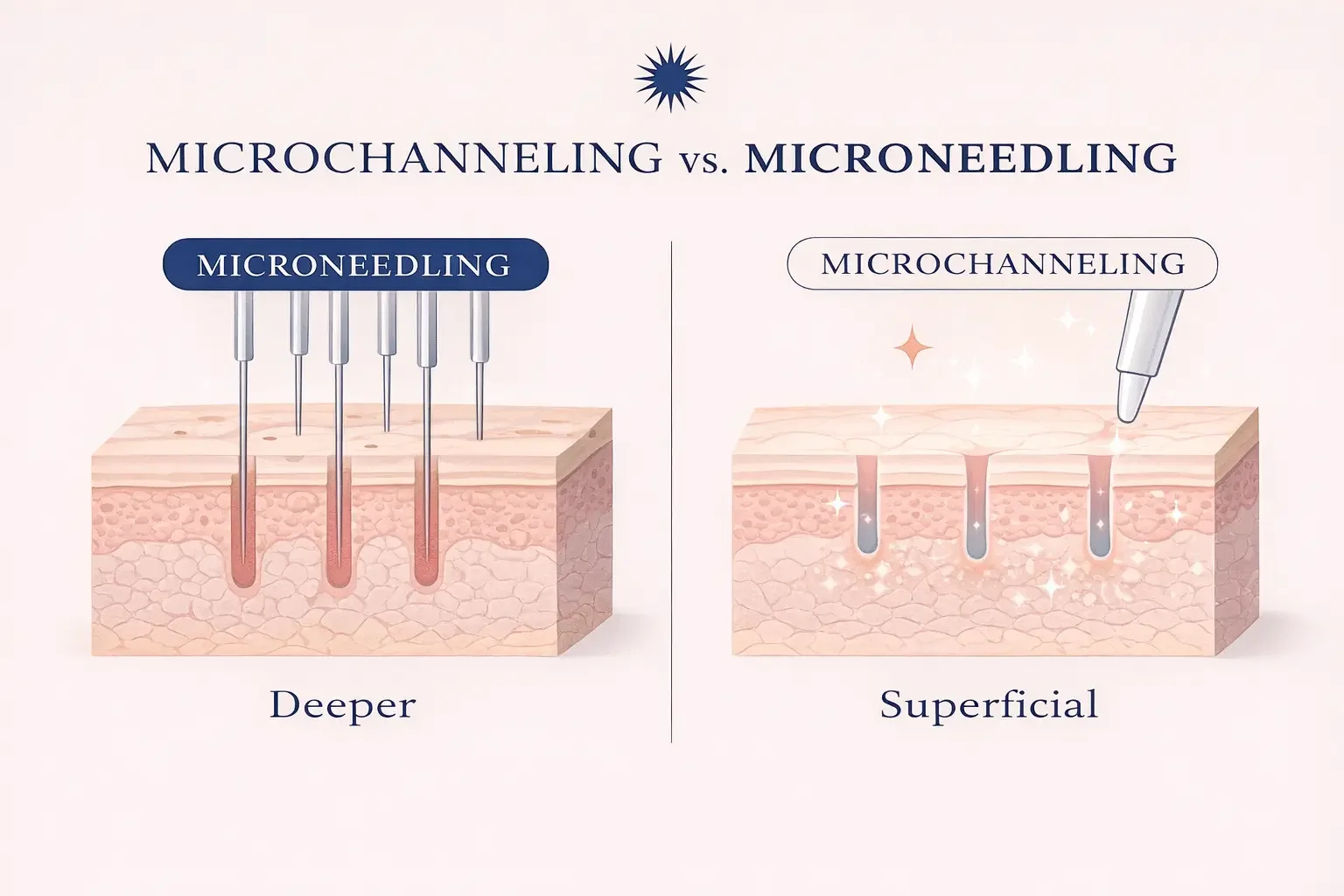
1. Depth of Treatment
Microneedling: Reaches deeper layers of the skin
Microchanneling: Targets surface layers only
Less depth means less trauma while still stimulating collagen.
2. Skin Trauma and Downtime
Microneedling: Redness, swelling, possible bleeding, downtime
Microchanneling: Mild redness, little to no downtime
Microchanneling is often considered a low-impact collagen treatment.
3. Skin Response
Microneedling: Activates a wound-healing response
Microchanneling: Activates a regenerative response
This makes microchanneling more suitable for sensitive or acne-prone skin.
4. Serum Infusion
Microneedling: Products may penetrate unpredictably
Microchanneling: Designed for controlled infusion of growth factors
At Yano, microchanneling includes professional aftercare with stem cell growth factor serum to support healing and results.
Why Yano Skincare Studio Prefers Microchanneling
At Yano Skincare Studio, our philosophy is clear:
Results should never compromise skin health.
Microchanneling allows us to:
Stimulate collagen safely
Protect the skin barrier
Minimize inflammation
Support faster recovery
This approach aligns with our hydration-first, barrier-conscious methodology and integrates seamlessly with services like the HydraGlow Facial and corrective skin programs.
Who Is Microchanneling Best For?
Microchanneling is ideal for clients seeking visible improvement without aggressive downtime.
This Treatment Is Especially Beneficial For
Fine lines and early signs of aging
Acne scarring and uneven texture
Dull or stressed skin
Sensitive or reactive skin
Clients wanting collagen stimulation without needles
It can be safely combined with customized facials and long-term skin plans.
How Microchanneling Fits Into a Personalized Skin Plan
Microchanneling works best as part of a strategic skincare journey.
At Yano, It’s Often Recommended
After a New Client Facial and skin assessment
Alongside hydration-supporting treatments
Within anti-aging or texture-refining plans
With proper home care guidance
This ensures results that are both visible and sustainable.
What to Expect During a Microchanneling Treatment
A typical Microchanneling session includes:
Skin cleansing and preparation
Controlled microchanneling treatment
Infusion of professional-grade stem cell growth factors
Calming and hydrating finishing products
Professional aftercare guidance
Most clients experience mild redness that resolves quickly, with no needles, no numbing, and no downtime.
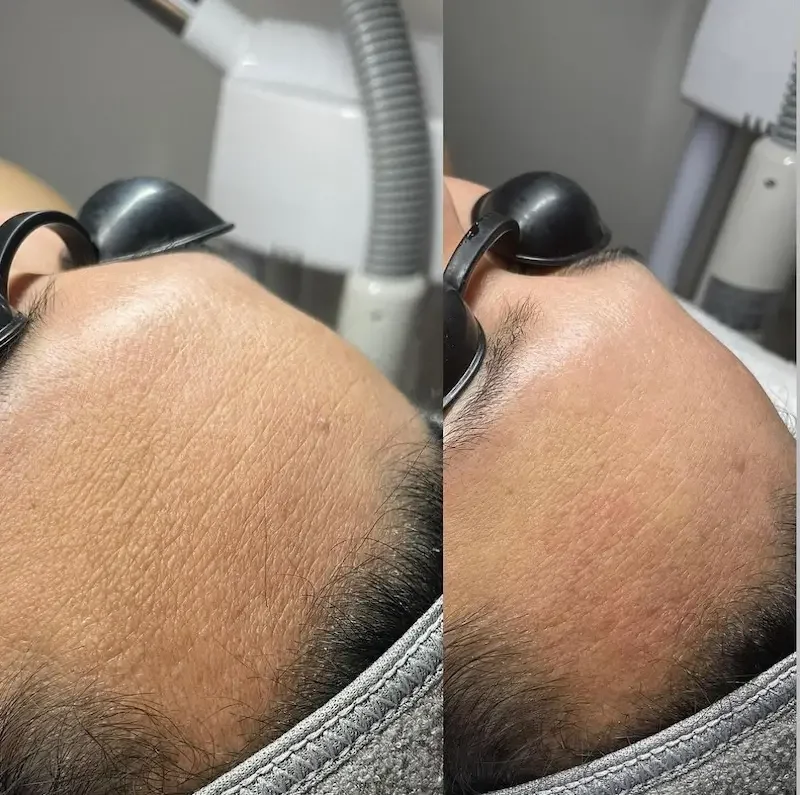
Microchanneling Before & After
Which Treatment Is Right for You?
Both microneedling and microchanneling improve skin quality—but the approach matters.
If your priorities include:
Skin health and longevity
Minimal downtime
Barrier protection
Consistent, long-term results
Microchanneling is often the more modern, skin-respecting choice. At Yano Skincare Studio, every recommendation is personalized—because your skin deserves intention, not trends.
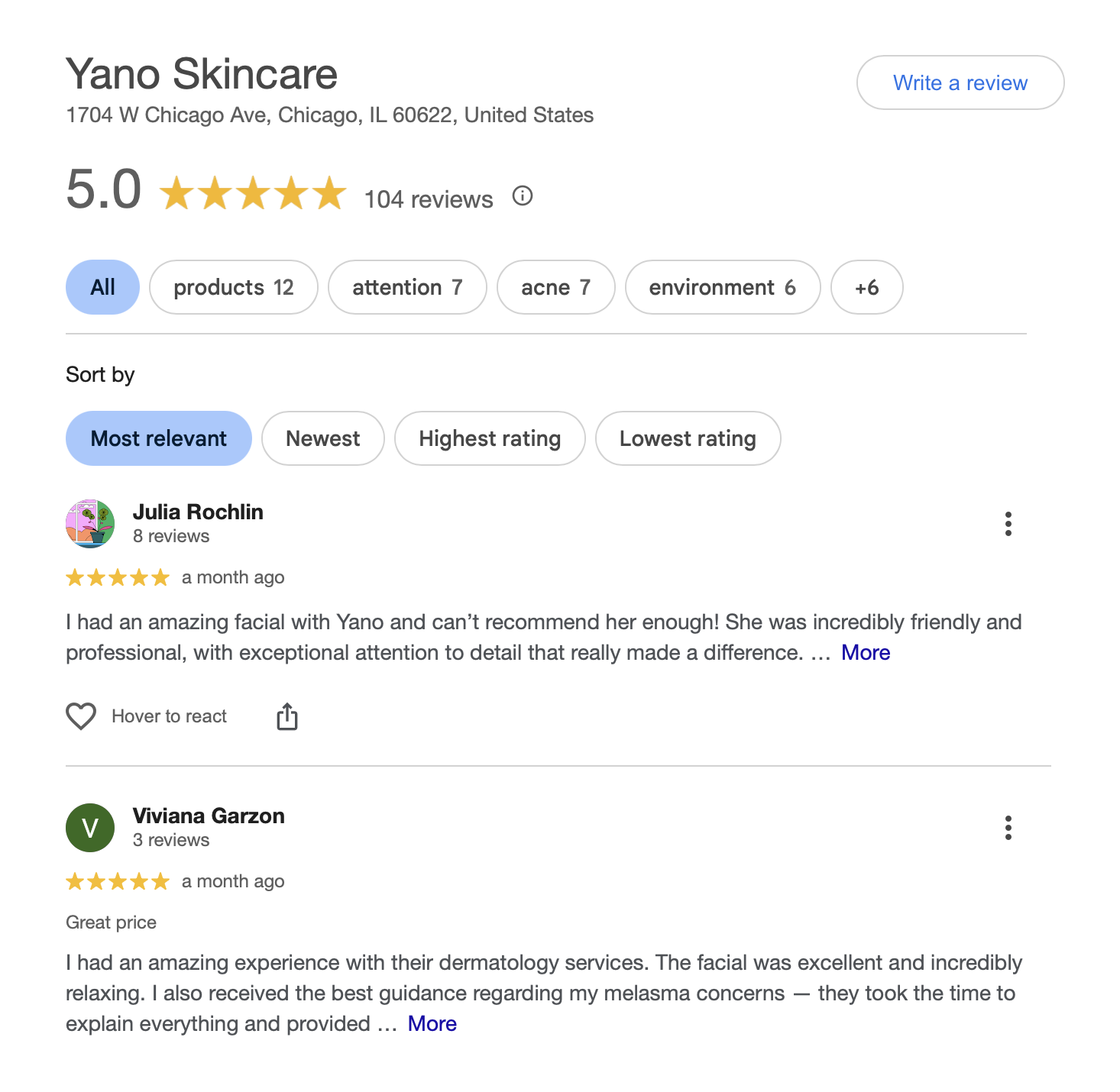
What Our Customers Say
Frequently Asked Questions
-
It depends on your skin. Microchanneling is less invasive and better suited for sensitive or acne-prone skin.
-
Yes. It stimulates collagen through controlled regenerative signaling.
-
Most clients experience mild redness that resolves within hours.
-
Typically every 4–6 weeks, depending on skin goals and condition.
-
Yes. It pairs well with hydration-focused and corrective treatments.
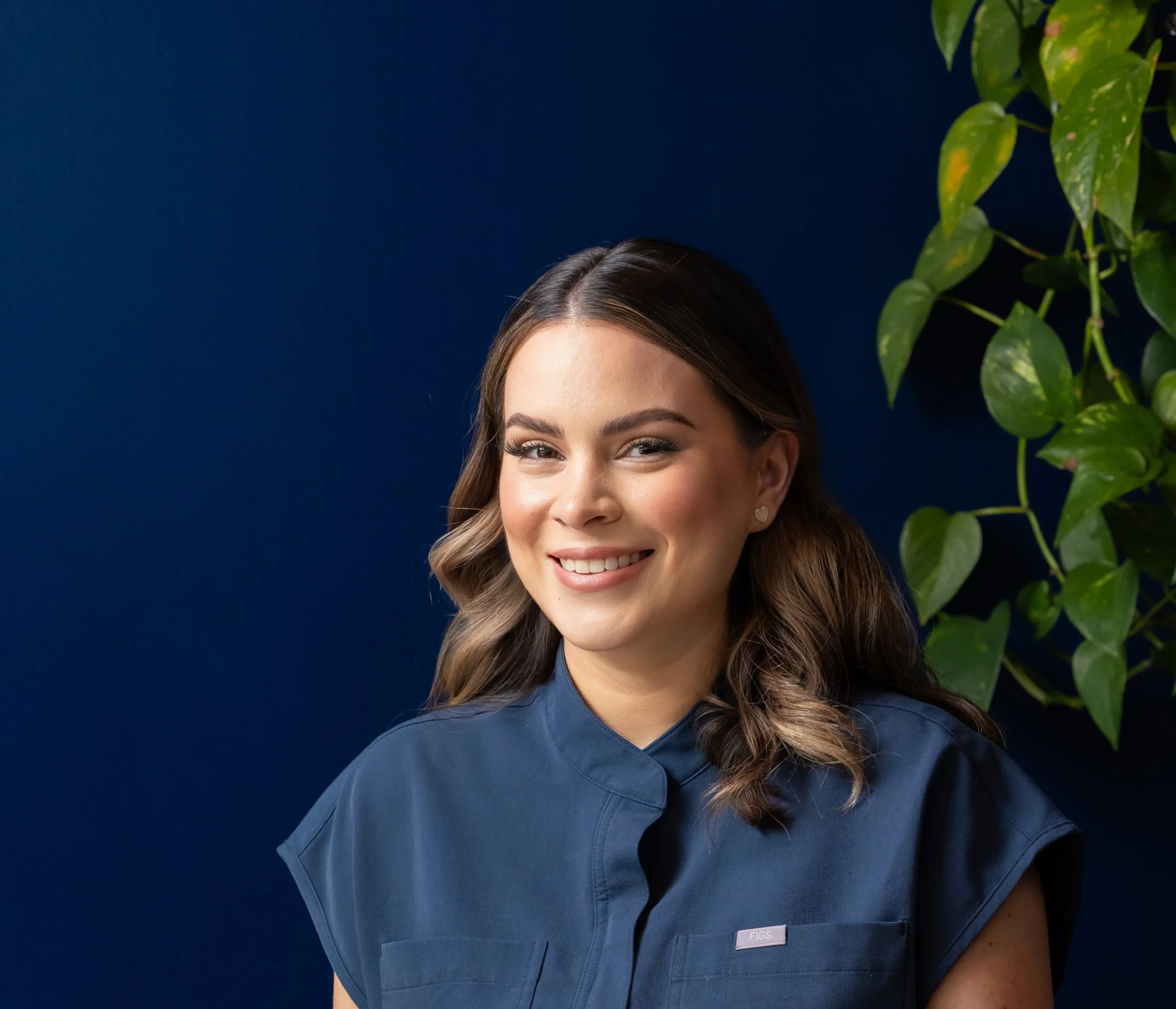
Yano Perez
AESTHETICIAN, ACNE SPECIALIST & FOUNDER OF YANO SKINCARE.