
How to Build a Personalized Skincare Routine (That Actually Works)
With so much skincare advice online, it’s easy to feel overwhelmed. One routine says you need ten steps, another says you only need three. Trending ingredients change constantly, and what works for someone else often doesn’t work for your skin.
The truth is simple: there is no universal skincare routine. Healthy skin comes from a routine that’s built around your skin’s needs, not trends.
This guide explains how to build a personalized skincare routine that supports skin function, protects the barrier, and delivers long-term results.
Why Personalized Skincare Matters
Your skin is influenced by:
Genetics
Environment and climate
Lifestyle and stress
Hormones
Skin barrier health
Because these factors vary from person to person, copying someone else’s routine often leads to irritation, breakouts, or stalled results.
A personalized routine focuses on what your skin needs now, and evolves as your skin changes.
Step 1: Understand Your Skin Type and Condition
One of the most common mistakes in skincare is confusing skin type with skin condition.
Skin Type (Usually Stable)
Dry
Oily
Combination
Normal
Skin Condition (Can Change)
Dehydration
Acne
Sensitivity
Inflammation
Pigmentation
Your routine should always prioritize current skin condition, even more than skin type, to ensure the skin receives what it needs in that moment.
If you’re unsure how to identify your skin type or condition accurately, this is where professional guidance can be helpful. A New Client Facial includes a thorough skin analysis and consultation, allowing us to assess how your skin is functioning and recommend the most appropriate care moving forward.
Step 2: Build a Simple, Functional Foundation
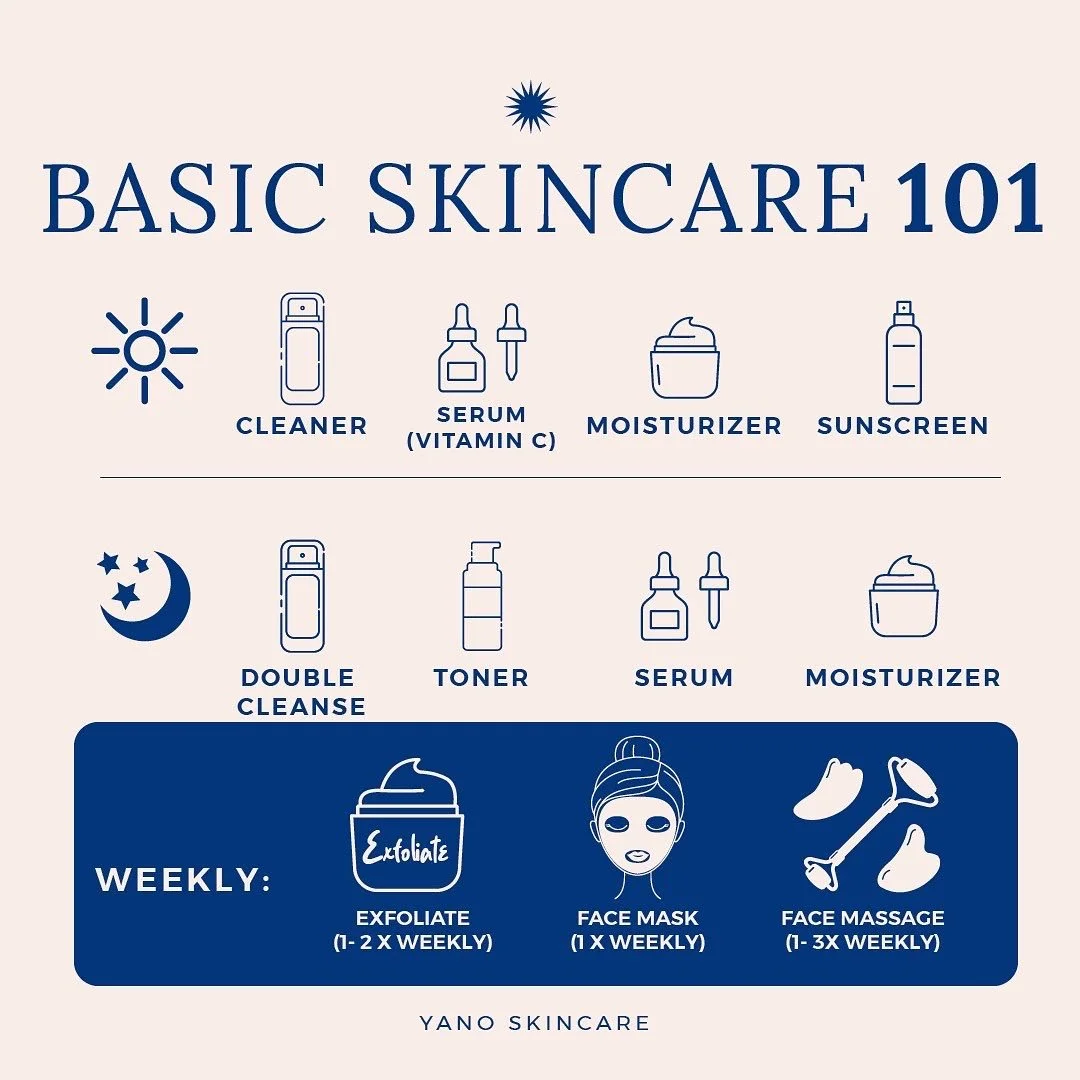
Every effective skincare routine starts with the basics. Before adding actives or treatments, the skin must be clean, hydrated, and protected.
The Core Routine (AM & PM)
Morning
Cleanser
Targeted serum (if appropriate)
Moisturizer
Sunscreen
Evening
Cleanse (or double cleanse)
Treatment or serum
Moisturizer
More products do not equal better results. A routine should feel supportive, not overwhelming.
Step 3: Introduce Active Ingredients Intentionally
Active ingredients can transform skin but only when used correctly and at the right time.
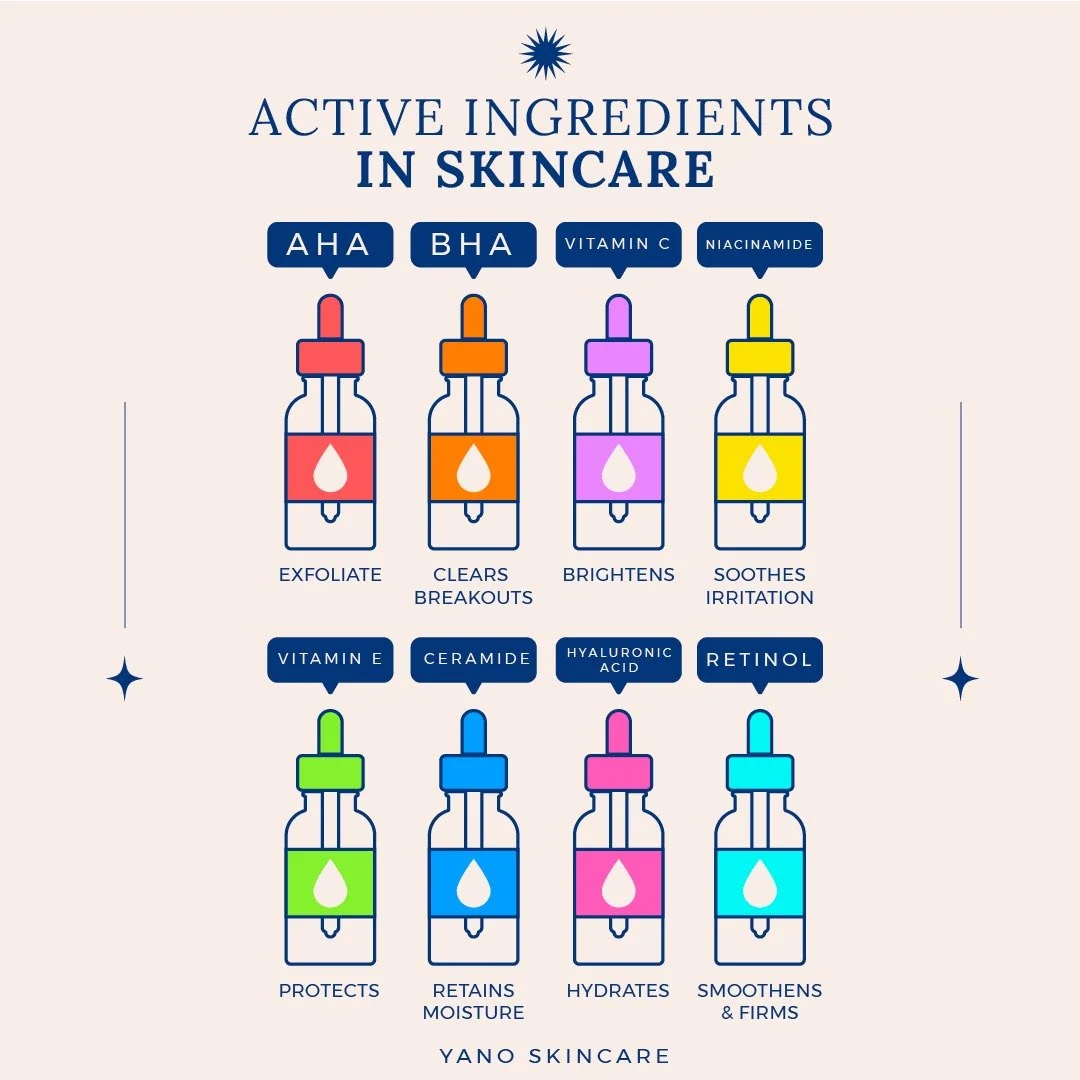
Common Actives and What They Support
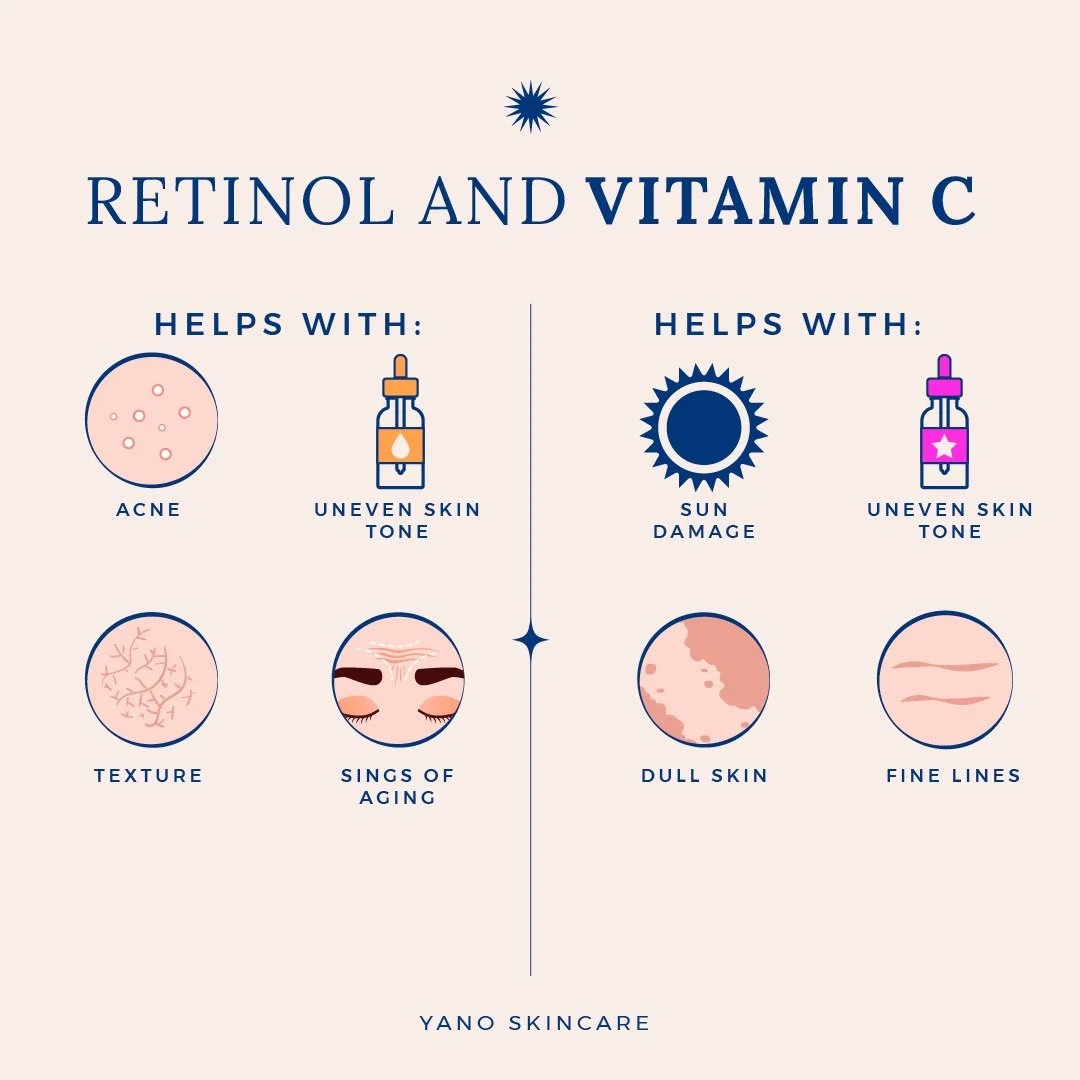
Vitamin C: Brightens, protects, supports collagen
Retinol: Improves texture, acne, and signs of aging
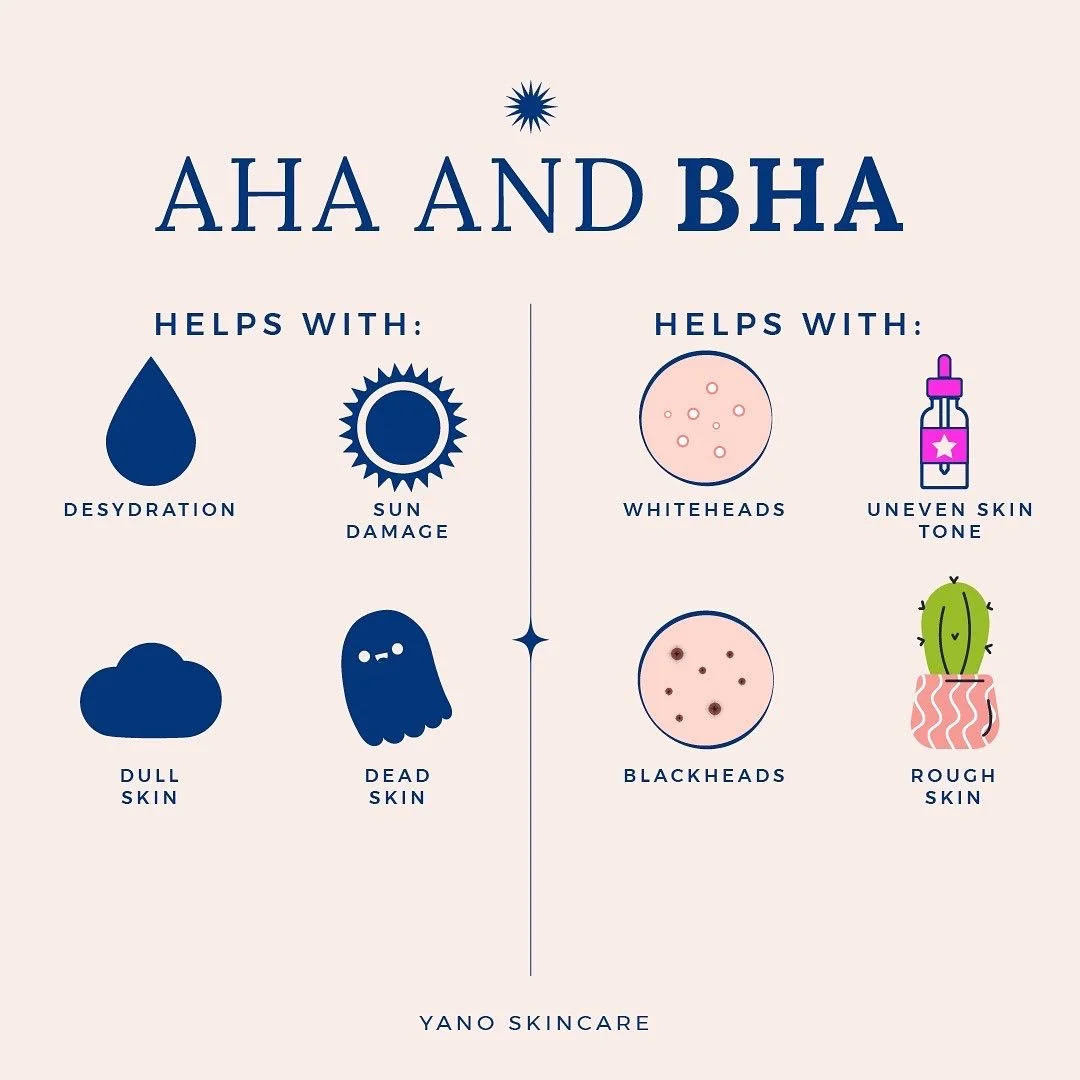
AHA/BHA: Exfoliate, clear congestion, smooth texture
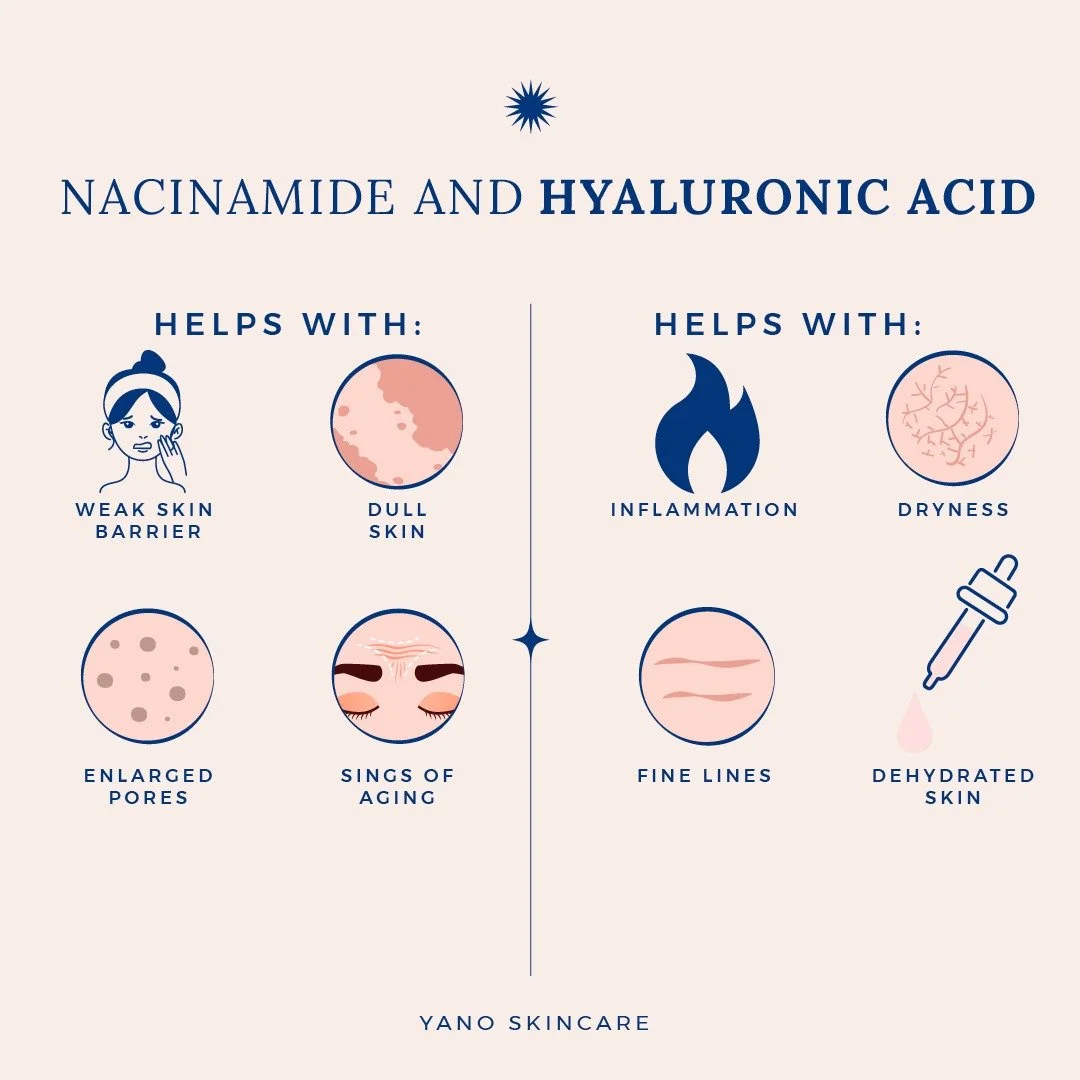
Niacinamide: Strengthens the barrier, calms inflammation
Hyaluronic Acid: Supports hydration and skin comfort
Actives should be added one at a time, based on skin tolerance—not trends.
Step 4: Respect Your Skin Barrier
Many skin issues come from barrier disruption, not lack of products.
Signs your barrier may be compromised:
Tightness or stinging
Redness or irritation
Breakouts that don’t heal well
Products suddenly causing reactions
Barrier-supporting ingredients like ceramides, niacinamide, and hydrating agents help the skin recover and respond better to treatments.
Step 5: Adjust Your Routine Over Time
Your skincare routine should evolve.
You may need adjustments when:
Seasons change
Acne flares up
Skin becomes more sensitive
You introduce professional treatments
A routine that worked six months ago may not be ideal today and that’s normal.
The Role of Professional Guidance
At-home skincare maintains daily balance, but professional guidance helps:
Identify underlying issues
Prevent overuse of actives
Sequence products correctly
Adjust routines as skin changes
This is why many people see better results once they stop guessing and start following a plan tailored to their skin.

Common Mistakes to Avoid
Using too many active ingredients at once
Copying influencer routines
Over-exfoliating
Switching products too frequently
Ignoring hydration and barrier health
Consistency and simplicity almost always outperform complexity.
The Takeaway
A personalized skincare routine is not about doing more—it’s about doing what works for your skin.
When your routine supports skin function, respects the barrier, and evolves with your needs, results become more predictable, sustainable, and healthy over time.
Curious to see what’s possible?
Read what my clients are saying and come visit me, I’ll help you build a routine designed specifically for your skin, your lifestyle, and your goals.
Frequently Asked Questions
.
How many products should a skincare routine have?
Most effective skincare routines include 4–6 core products. This usually covers cleansing, hydration, protection, and one targeted treatment. A routine with too many products can overwhelm the skin, disrupt the barrier, and make it difficult to identify what is actually working—or causing irritation.
In skincare, consistency matters more than complexity. A well-chosen, simplified routine often delivers better long-term results than an overcomplicated one.
Can I use all active ingredients together?
No. Not all active ingredients are meant to be layered, especially on sensitive or acne-prone skin. Combining too many actives at once can increase inflammation, irritation, and barrier damage.
Active ingredients should be introduced gradually and intentionally, with attention to skin tolerance. In many cases, alternating actives on different days or using them in specific phases leads to better results and fewer setbacks.
How long does it take to see results from a skincare routine?
Most people begin to notice changes within 4–6 weeks, which aligns with the skin’s natural renewal cycle. Improvements such as reduced congestion, smoother texture, and improved hydration often appear gradually rather than overnight.
Consistency is key. Skincare results depend not only on the products used, but on regular application and supporting overall skin health.
Should my routine change if I get professional treatments?
Yes. Home care should always support and maintain the results of professional treatments. Using the wrong products or continuing actives that are no longer appropriate can slow progress or irritate the skin.
Professional treatments often require adjustments in home care to enhance healing, protect the skin barrier, and extend results. A routine that evolves with your skin leads to better long-term outcomes.
Is a personalized skincare routine really necessary?
Yes. Skin responds best when care is aligned with its actual needs, not trends or generalized advice. Factors such as skin type, current condition, environment, and lifestyle all influence how skin behaves.
A personalized routine reduces trial and error, minimizes irritation, and allows the skin to function more efficiently over time. What works for someone else may not work for your skin and that’s completely normal.
When to Book Professional Guidance
If you’ve built a routine and still notice persistent breakouts, sensitivity, uneven texture, or stalled results, it may be time for professional guidance. Skincare should feel supportive and effective not confusing or frustrating.
A professional skin evaluation helps identify what your skin actually needs and ensures your routine and treatments are working together.

Yano Perez
AESTHETICIAN, ACNE SPECIALIST & FOUNDER OF YANO SKINCARE.