
How to Know When Your Skin Barrier Is Compromised (And How to Restore It)
Many people describe their skin as “sensitive,” but in reality, what they’re experiencing is often a compromised skin barrier. When the barrier is weakened, the skin becomes reactive, unpredictable, and difficult to manage no matter how many products you try.
Understanding what the skin barrier does, how it becomes compromised, and how to restore it is essential for long-term skin health, clearer skin, and better results from both at-home care and professional treatments.
What Is the Skin Barrier and Why Does It Matter?
The skin barrier is the outermost layer of the skin responsible for:
Retaining hydration
Protecting against environmental aggressors
Preventing irritation and inflammation
Supporting healthy skin renewal
When the barrier is functioning properly, the skin feels balanced, resilient, and responsive. When it’s compromised, the skin struggles to protect itself and problems begin to appear.
Common Signs of a Compromised Skin Barrier
A weakened barrier doesn’t always show up as dryness alone. Some of the most common signs include:
Persistent redness or irritation
Tightness or stinging after cleansing
Breakouts that heal slowly
Increased sensitivity to products
Flaking combined with oiliness
Skin that feels “reactive” or unpredictable
These symptoms are often mistaken for sensitive skin, when the real issue is barrier damage.
What Causes the Skin Barrier to Become Compromised?
Barrier damage is rarely caused by a single factor. It usually develops over time through a combination of habits and stressors.
Overuse of Active Ingredients
Using too many exfoliants, acids, or retinoids especially at the same time can weaken the barrier and trigger inflammation.
Over-Exfoliation
Exfoliating too frequently disrupts the skin’s protective layer, leaving it vulnerable to irritation and moisture loss.
Improper Skincare Routines
Routines that aren’t tailored to your skin type or condition often strip the skin rather than support it. This is why a personalized skincare routine is so important.
Environmental Stress
Weather changes, pollution, sun exposure, and indoor heating or air conditioning all place stress on the barrier.
Chronic Inflammation
Conditions like acne can worsen barrier damage when inflammation is left unaddressed. Ongoing breakouts create repeated stress on the skin, slowing healing and weakening the barrier over time.
You can learn more about how acne affects skin function and why it requires a corrective approach here.
How a Compromised Barrier Affects Acne and Breakouts
When the barrier is damaged, the skin loses its ability to regulate oil and protect itself from bacteria. This often leads to:
Increased inflammation
Slower healing of blemishes
More frequent or stubborn breakouts
This is why acne often persists despite using “acne products.” Without barrier support, treatments can irritate the skin further and slow progress. A corrective approach like those discussed in professional acne care focuses on restoring balance rather than over-drying the skin.
The Role of Hydration in Barrier Repair
Hydration is one of the most important elements of barrier health. Dehydrated skin is more prone to irritation, inflammation, and sensitivity.
Proper hydration:
Improves elasticity and comfort
Helps the barrier repair itself
Reduces reactivity
As explained in our article Why Hydration Is the Foundation of Healthy, hydrated skin is functional skin and functional skin heals more efficiently.
How to Restore a Compromised Skin Barrier
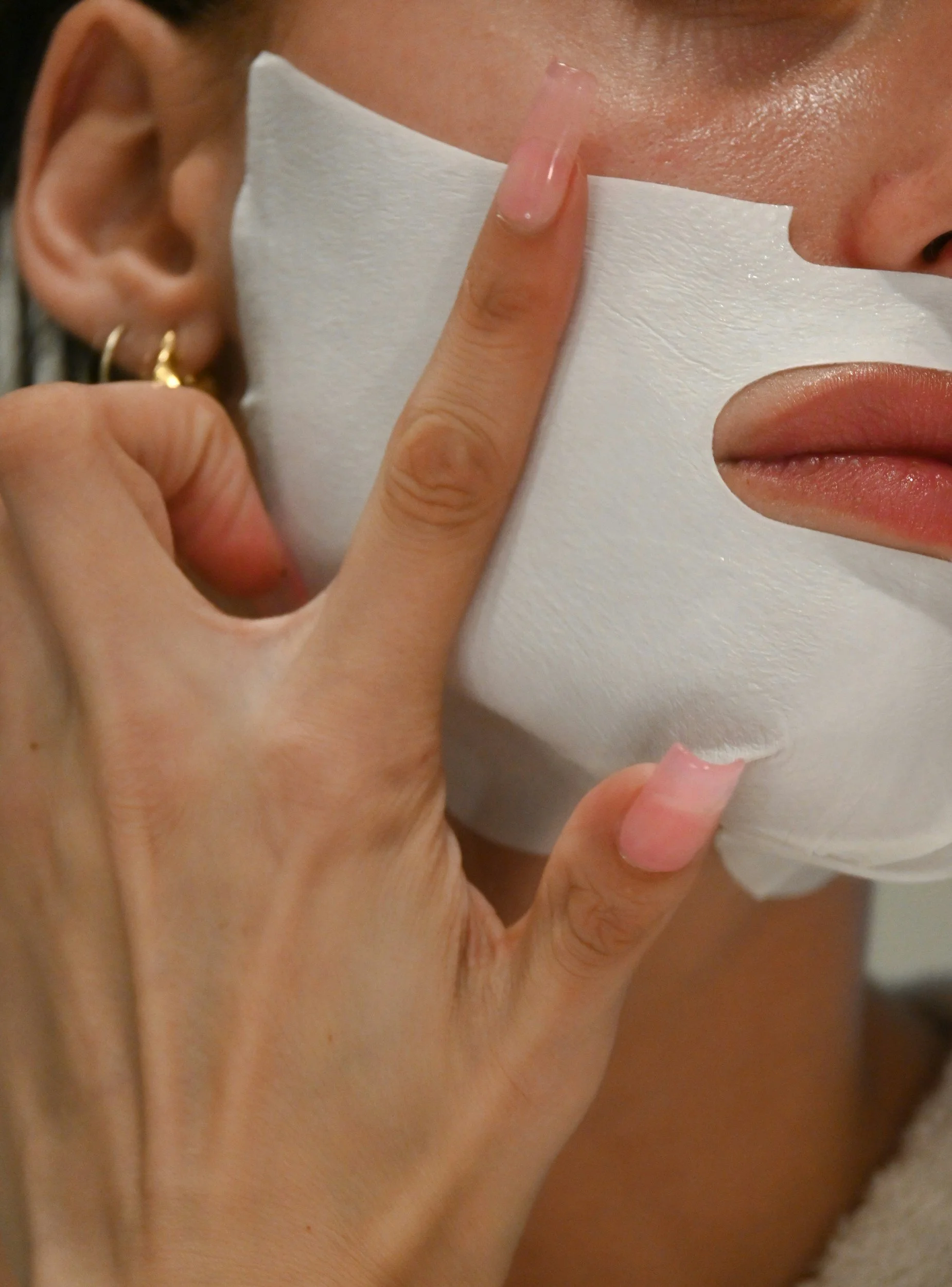
Barrier repair is not about adding more products. It’s about simplifying, supporting, and giving the skin time to recover.
Simplify Your Routine
Reduce the number of active ingredients and focus on gentle cleansing, hydration, and barrier-supporting products.
Pause Aggressive Treatments
When the barrier is compromised, aggressive exfoliation or frequent actives can delay healing.
Support the Skin With the Right Ingredients
Look for ingredients like ceramides, niacinamide, and hydrating agents that help reinforce the barrier.
Adjust Based on Skin Response
Barrier repair is not instant. Skin needs consistency and patience to rebuild.
When At-Home Care Isn’t Enough
While home care plays an important role, some cases of barrier damage benefit from professional guidance—especially when skin feels stuck or reactive despite simplification.
This is where understanding the difference between home care and professional support becomes important, as discussed in Professional Treatments vs. At-Home Skincare.
Professional Treatments That Support Barrier Health
Not all professional treatments are appropriate during barrier repair. When the skin barrier is compromised, timing and treatment selection matter just as much as the treatment itself. The goal during this phase is to support healing and regeneration without creating additional stress or inflammation.
Aggressive or overly stimulating treatments can delay recovery, while carefully selected, low-impact treatments can help restore balance and improve skin resilience.
Microchanneling
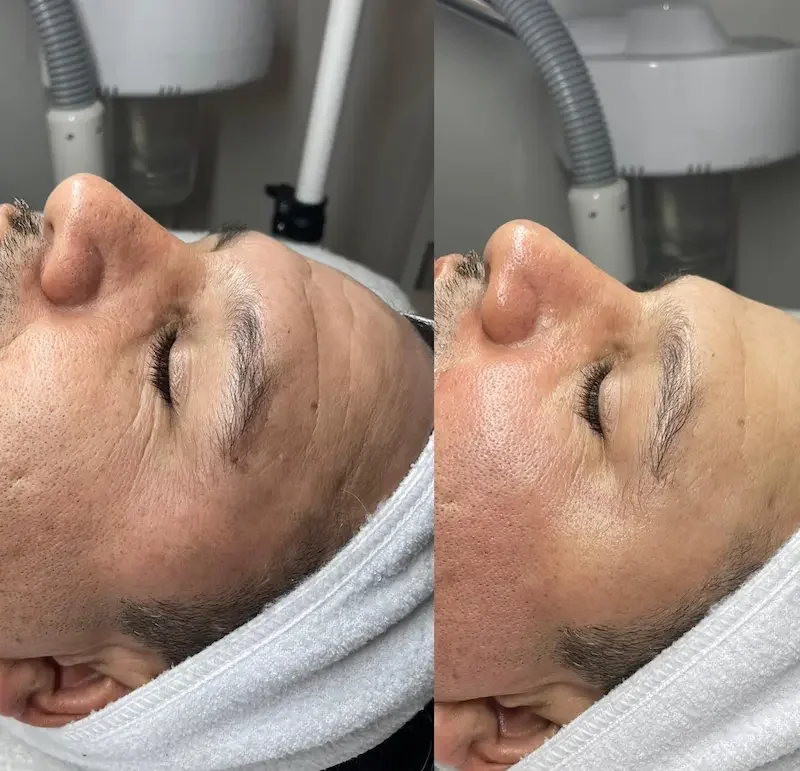
Microchanneling is often considered a supportive option during barrier recovery because it works in a controlled, superficial way. Rather than creating deep trauma, microchanneling forms micro-channels in the upper layers of the skin that signal regeneration while allowing targeted, professional-grade serums to penetrate more effectively.
When introduced at the appropriate stage of barrier repair, microchanneling can help:
Encourage healthy skin renewal
Support collagen production without excessive inflammation
Improve skin texture and tone
Enhance hydration and overall skin resilience
Because it prioritizes regeneration over injury, microchanneling is often better tolerated by skin that is sensitive, reactive, or prone to breakouts making it a thoughtful option when barrier health is a priority.
As with any professional treatment, microchanneling should be performed within a guided plan to ensure the skin is ready and properly supported before and after treatment.
The Best First Step: Professional Skin Assessment
If you’re unsure whether your skin barrier is compromised—or how to restore it safely—the best starting point is a professional evaluation.
A New Client Facial includes a thorough skin analysis and consultation, helping identify underlying issues and create a plan that supports barrier repair without guesswork.
Starting with assessment reduces setbacks and allows both home care and treatments to work together effectively.
How Long Does Barrier Repair Take?
Barrier repair doesn’t happen overnight. Most people begin to notice improvements within 2–6 weeks, depending on the level of damage and consistency of care.
Signs of recovery include:
Reduced sensitivity
Improved hydration
Calmer skin
Better tolerance to products
A compromised skin barrier affects everythingfrom hydration and acne to how well your skincare routine works.
When the barrier is supported, the skin becomes calmer, stronger, and more responsive. Restoring it is not about doing more it’s about doing what your skin actually needs.
Clear, healthy skin begins with a healthy barrier.
Frequently Asked Questions
Is sensitive skin the same as a damaged skin barrier?
Not always. Many people believe they have sensitive skin when the issue is actually barrier damage.
Can acne treatments damage the skin barrier?
Yes, especially when overused or layered incorrectly.
Should I stop all actives if my barrier is compromised?
In many cases, yes—at least temporarily—until the skin stabilizes.
Can professional treatments help repair the barrier?
Yes, when selected intentionally and supported with proper home care.

Yano Perez
AESTHETICIAN, ACNE SPECIALIST & FOUNDER OF YANO SKINCARE.